 by
by 
Most people don’t really look at their outlets until something stops working. Then suddenly it matters — why this one trips and that one has buttons?
The truth is, the types of electrical outlets used in a house are not random. They’re chosen based on load, location, and safety rules that have changed quite a bit over the years. Some are basic, some are protective. And some are built just to handle equipment that would overwhelm a standard setup. Once you start noticing the details, these electrical outlet types become easy to read — almost like labels.
Start Here: Outlet vs Receptacle vs Socket (U.S. wording)
This comes up more in paperwork than in real life, but it’s worth clearing up. An outlet is simply where power is available. A receptacle is the device installed there — yes, that thing with the slots. So when someone replaces a so-called outlet, they’re usually swapping a receptacle.
Socket is the term a lot of people use online. In American electrical work, you’ll mostly hear about electrical receptacles, even when talking about electrical sockets in everyday situations. It matters when you’re comparing electrical receptacle types or reading code notes — but in conversation, people mix the terms all the time.
The Fastest Way to Identify an Outlet (in 10 seconds)
You don’t need a special tester for a quick check. Just look at it.
Buttons = protection (GFCI/AFCI)
If there are buttons, that outlet is doing more than passing electricity through.
- GFCI (ground fault circuit interrupter) reacts to imbalance — water, wet hands, outdoor use.
- AFCI (arc fault circuit interrupter) reacts to arcing — more of a hidden wiring issue.
But the idea of both these electrical outlet types is actually the same: shut things down before they get dangerous.
A “T-slot” usually signals 20A
This one gets missed a lot. Regular wall outlet types have two straight slots. And a 20-amp version has one that looks like a T. Yes, it’s difficult to notice for the first time, but once you see it, you won’t unsee it. That shape allows a different plug, usually tied to higher draw.
Labels to notice: TR / WR
Some outlets are marked, but the lettering is super small.
| Marking | Meaning | Where it shows up |
| TR | Tamper-resistant | Living areas |
| WR | Weather-resistant | Outside |
| GFCI | Ground fault | Near water |
| AFCI | Arc fault | Living spaces |
Standard 15A vs 20A Outlets (the ones in most rooms)

These outlets are usually placed where people spend the most time. Nothing fancy, just reliable power.
| Feature | 15A | 20A |
| Slot look | Straight | One T-slot |
| Load | Lower | Higher |
| Common spots | Bedrooms | Kitchens, garages |
A pattern you’ll see: everything works fine until you plug in one more device into the outlet. Then the breaker starts tripping. That’s usually where 20A electrical receptacles can save you—especially in places like kitchens or garages where one extra appliance is enough to overload a standard outlet.
Understanding NEMA Configurations (What the Numbers Mean)
Those numbers stamped into plugs aren’t decoration. According to the National Electrical Manufacturers Association (NEMA), they tell you what fits where, and more importantly — what shouldn’t.
| Type | Voltage | Amps | Use |
| 5-15 | 120V | 15A | Standard |
| 5-20 | 120V | 20A | Kitchen/garage |
| 14-30 | 240V | 30A | Dryer |
| 14-50 | 240V | 50A | EV / range |
Different types of outlets in the US exist for a reason. You’re not supposed to force a plug into the wrong one — that’s exactly what keeps electrical socket types safe and easy to use and maintain.
GFCI Outlets (bathrooms, kitchens, outdoors)
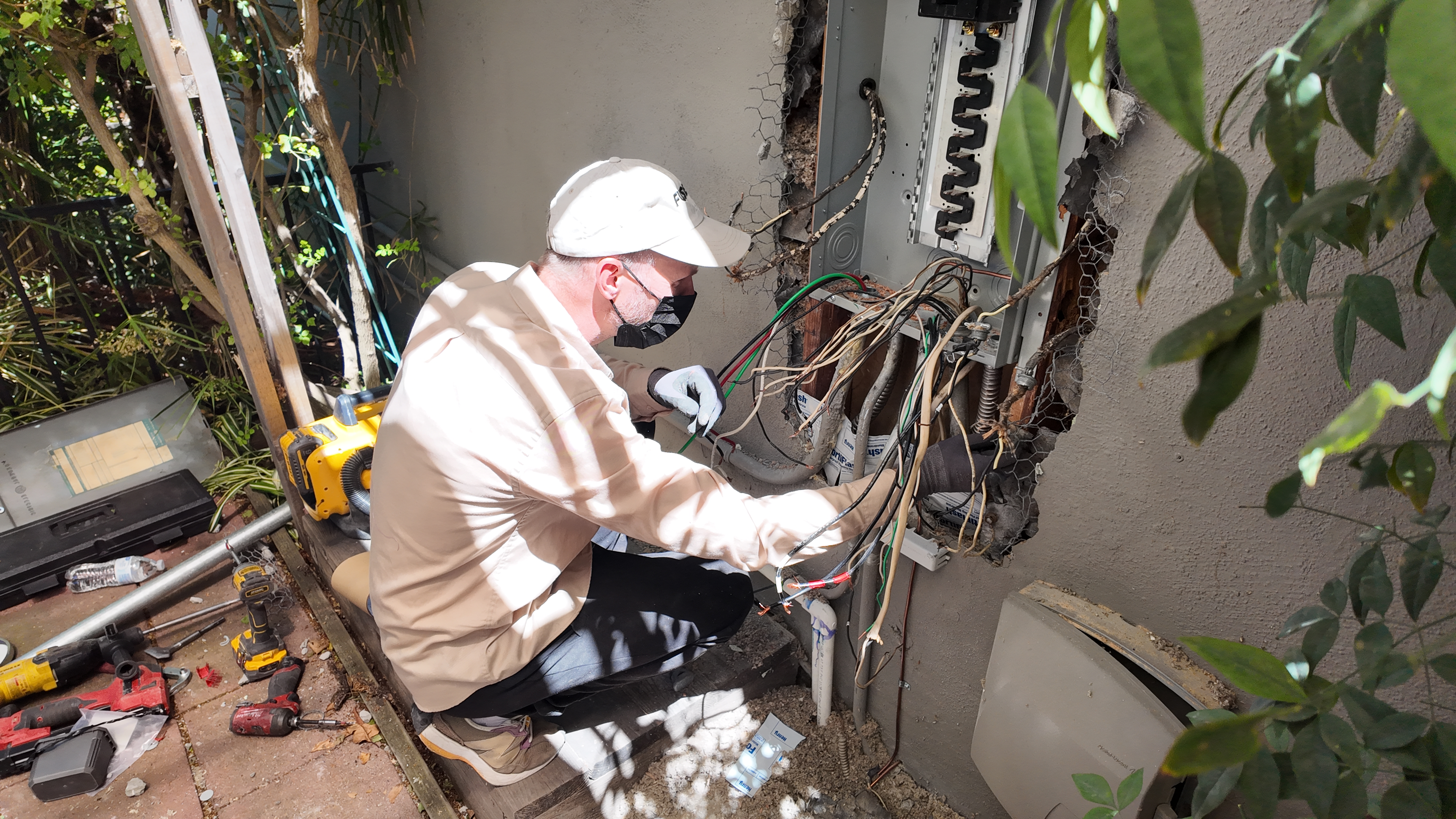
If water is nearby, this is what you’ll usually see. GFCI outlets constantly compare current in and out. If something leaks — even slightly — they shut off. Fast enough that most people don’t even realize what just happened.
Common spots:
- bathroom walls near sinks;
- kitchen counters;
- garage corners;
- outside walls.
“I often see homeowners surprised when they add a new bathroom or renovate the kitchen and realize the outlets aren’t GFCI protected. Installing them correctly can prevent serious shocks,” — Max, a licensed Fuse Service electrician.
A lot of older homes still have standard wall outlet types in these places. That’s usually one of the first upgrades during any remodel.
AFCI Outlets (fire-prevention)
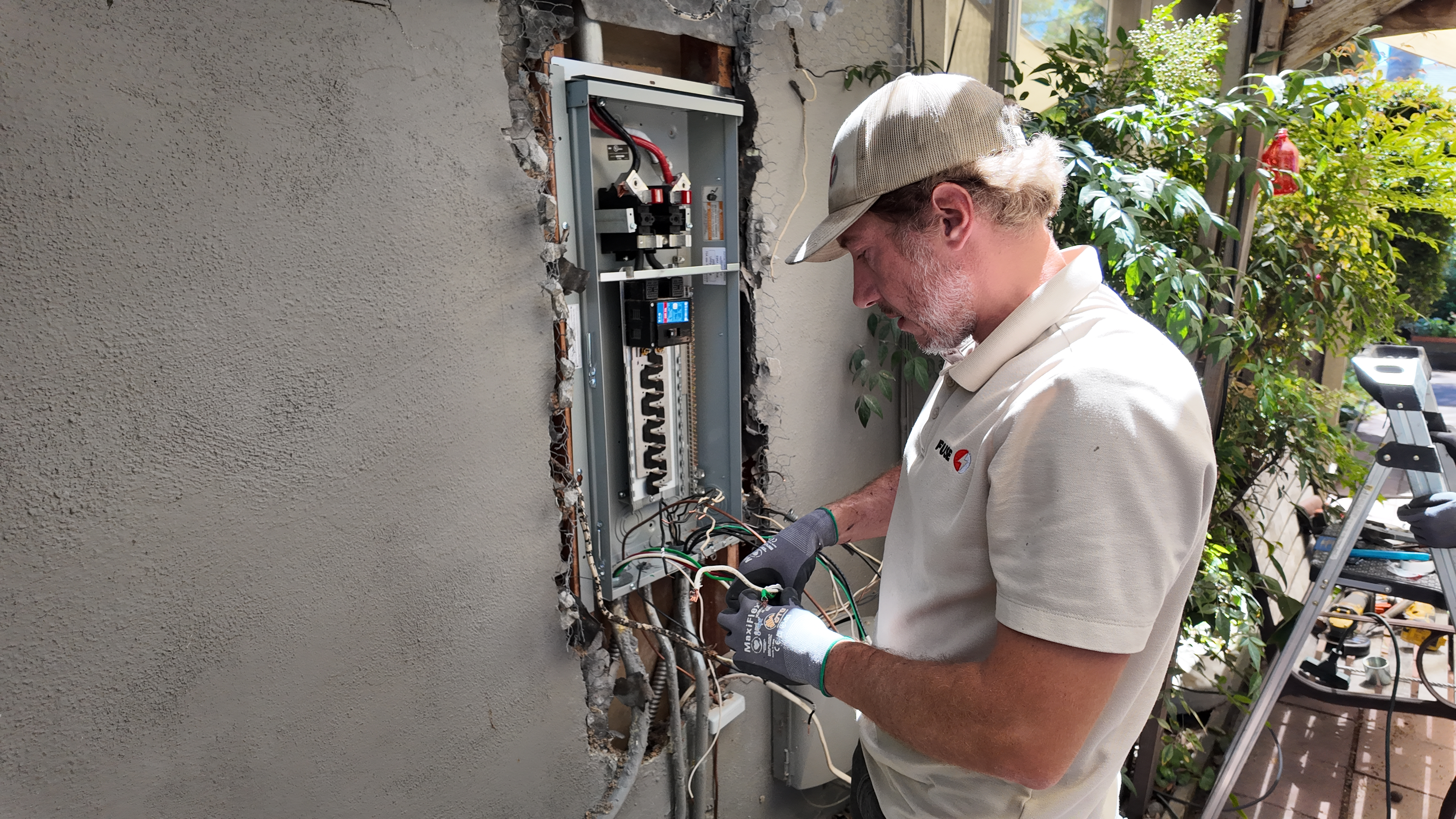
This one is less obvious because the problem it solves is hidden. We’re talking about:
- loose wires behind drywall;
- insulation breaking down;
- tiny arcs that don’t trip breakers
Those issues can sit there quietly for years. One of our licensed electricians once mentioned that most electrical problems don’t announce themselves — they build up. AFCI protection is meant to catch that early.
Tamper-Resistant (TR) and Weather-Resistant (WR) Outlets
These don’t change the way you use the outlet, but they change the way it behaves. TR outlets won’t open unless both prongs go in evenly. WR outlets in their turn are built to survive outdoor conditions — sun, rain, and any temperature swings.
You’ll find them across many modern types of wall outlets, especially in newer homes.
USB and Smart Outlets (Convenience vs Limitations)
Convenience, of course, is worth any limitations in this case. USB outlets cut down on adapters; smart outlets add control for apps or timers, for example.
They’re useful, but they don’t replace standard electrical sockets when it comes to actual load.
240V / High-power Outlets (dryer, range, EV, HVAC)

The performance of certain devices differs significantly. Dryers, ranges, EV chargers — these all need 240V. And that usually means a dedicated line directly from the panel.
A situation that’s becoming more common: installing an EV charger and realizing the system needs work first. That’s where a breaker replacement or panel upgrade comes in.
Specialty Outlets Homeowners Run Into (RV, generator, shop tools)
It’s not everyday stuff, but very specific. You might see:
- RV outlets;
- generator connections;
- twist-lock plugs;
- welding outlets.
Each one requires the right electrical outlet box and matching circuit. This isn’t the place to improvise.
How to Choose the Correct Outlet for Each Room
But how to choose among electrical outlet types? Well, there’s a pattern once you look at enough homes.
| Room | Typical setup |
| Living room | 15A TR |
| Kitchen | 20A + GFCI |
| Bathroom | GFCI |
| Garage | 20A |
| Outdoors | WR + GFCI |
| Laundry | 240V |
The right electrical outlet box and wiring matter are no less important than the outlet itself. And if something feels off, it’s worth having an electrical repair service check it.
Frequently Asked Questions (FAQs)
Final Thoughts
At first, all outlets look the same. But we hope they won’t for you after reading this article. Small details — slot shape, buttons, markings — tell you what each one is meant to handle. That’s really what separates the different types of outlets in the US.
Knowing the different types of electrical outlets doesn’t require technical training. Just a bit of attention, and once you see it, you’ll keep noticing it.