 by
by 
Low water pressure is one of the most frustrating home issues ever. After all, everyone wants to take a shower under a normal stream of water, not under a few drops. But how to increase water pressure in the house? The good news is that it is possible without major repairs and significant expenses.
In this article, we’ll look at why household water pressure drops and how to start enjoying the perfect shower and washing dishes in your kitchen sink with no issues once and for all.
What Is Considered Low Water Pressure In a House?
| PSI | Symptoms | Potential risks |
| Low (< 40 PSI) | Low pressure in the shower; toilet doesn’t work well | Inefficiency and discomfort |
| Normal (40–60 PSI) | Stable pressure throughout the house | No risks for pipes and fixtures |
| High (> 80 PSI) | Strong water flow, noise in the pipes | Pipe wear, damage to the main line |
EPA (WaterSense) recommends keeping the pressure at the 60 PSI level. That’s how to increase water pressure in house and save water as a big bonus.
Common Causes of Low Water Pressure
1. Problems on the main line
Old or partially clogged pipes are a common cause in homes older than 25–30 years, especially in California.
2. Clogs in fixtures
Mineral deposits (such as inside showerheads) can drastically cut pressure at a single point.
3. Faulty water pressure regulator
Yes, sometimes your water pressure regulator may be incorrectly adjusted after repairs or pressure surges.
4. Problems with city water
During peak hours, the pressure in the city system may temporarily drop. Morning and evening hours are usually super busy.
Quick Checks You Can Do Yourself
Here’s a quick checklist that might just fix your problem. Because when you plan to increase water pressure in house, it’s better to start with really simple points.
- Check all faucets and compare the pressure.
- Inspect the showerhead from inside.
- Rinse the aerators in the sink.
- Make sure the main valve is fully open.
- Check if the pressure is equally low for both cold and hot water.
If the problem is only in the shower, see the article on low water pressure in the shower.
When the Water Pressure Regulator Is the Problem
Is the pressure low throughout the whole house? Then the water pressure regulator is the first suspect.
The regulator is located immediately after the water enters the house. And, of course, likeany device, it wears out over time.
First symptoms that may tell you it’s high time to increase water pressure in house by fixing the regulator:
- The pressure dropped suddenly.
- All measurements are low at all points.
- Not a single adjustment affects the pressure gauge needle.
In this case, diagnosis or replacement is required — a job for professionals from a plumbing repair service.
How to Increase Water Pressure Without a Pump
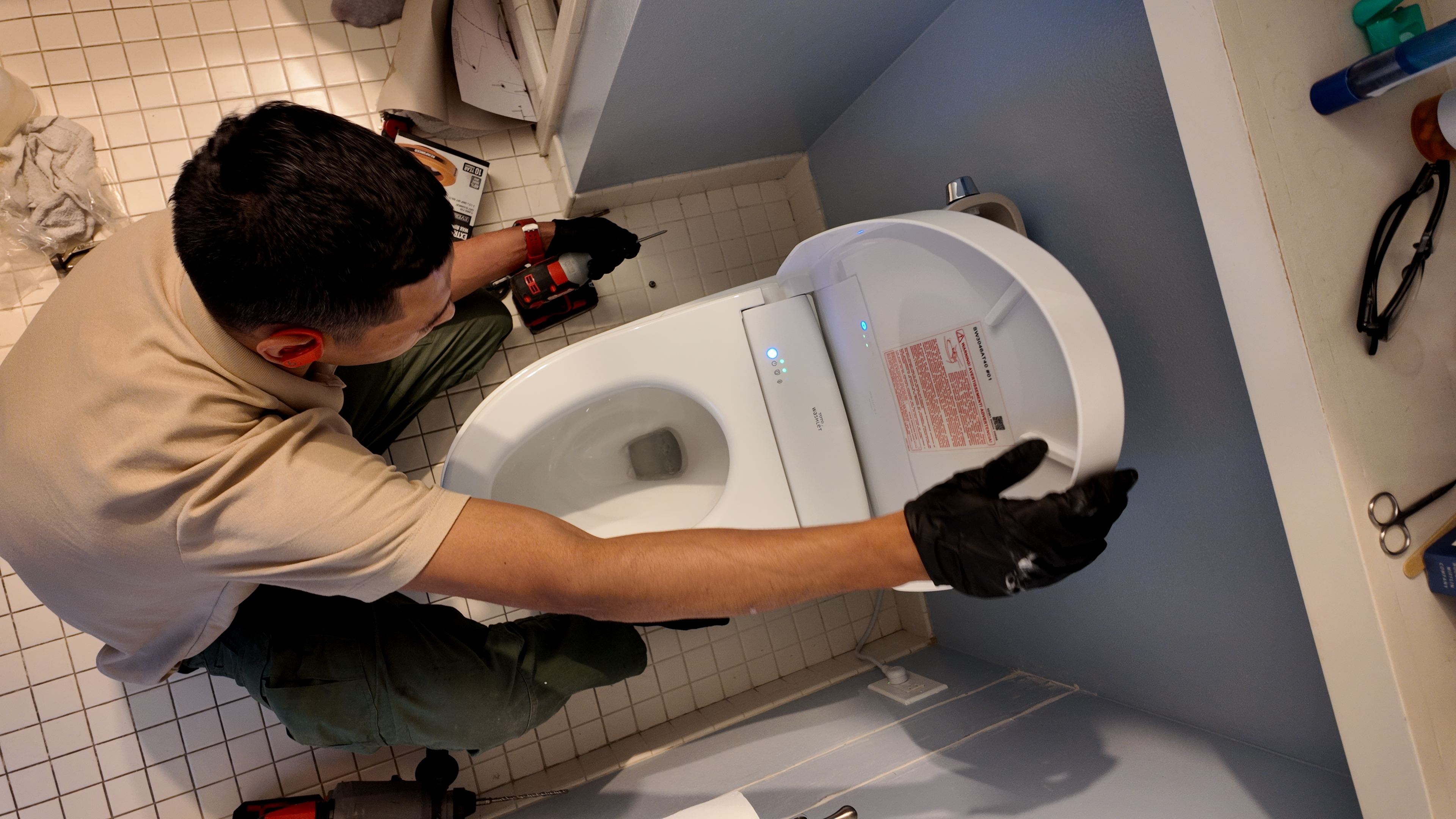
Also, you can increase pressure without a booster pump. Start by cleaning or replacing the aerators. It also doesn’t hurt to check the regulator and readjust it. But how to increase water pressure in house if none of that works? The answer is simple: local fixture repair.
And it can be super helpful. Our Fuse Service specialists have encountered complex cases many times before. One day, we arrived at a house where even washing your hands was quite a strugle. The reason? As it turned out, it was a clogged aerator on the kitchen faucet. But it took only 20 minutes to fix it.
When a Booster Pump Makes Sense
A booster pump is a last resort, but an effective one. It is justified if:
- the pressure from the city water supply is consistently below 30 PSI;
- your house is located above street level;
- there are several floors or a long main line.
According to HomeAdvisor, installing a pump is a medium-cost project, but it solves the problem throughout the entire house.
Increasing Water Pressure at Specific Fixtures
Bathroom sink
Most often, the aerator or supply line is to blame. Cleaning, as practice shows, solves the problem in 70% of cases.
Kitchen faucet
Sink faucets clog more quickly. Check the cartridge and filter.
Shower
Mineral deposits are a real bathroom curse. Sometimes it is enough to replace the showerhead.
Toilet
Can you increase water pressure in house by checking the toilet? For sure. If the tank fills slowly, check the water supply valve.
Is It Safe to Increase Water Pressure?
Yes, but increase water pressure in house safely as long as you don’t exceed 60 PSI.
Too much pressure is no better than too little. So don’t be fooled by the idea that more is better. It accelerates pipe wear and therefore increases the risk of leaks.
“We often see pipes damaged not because of age, but because of too high pressure,” — Ben, a qualified plumber at Fuse Service.
When to Call a Plumber
There comes a time when an online checklist is not enough and you need professional help.
How to increase water pressure in your home if the pressure drops throughout the house and you suspect a leak? Especially if the house is old and you can’t fix the regulator yourself?
You can order a professional diagnosis through plumbing services in San Jose — it’s faster and safer than experimenting with the main line yourself.