 by
by 
There are two options when your hot water isn’t getting hot enough — either there is no electricity in your neighborhood or your water heater doesn’t make it right. In the first case, schedule a visit to a doctor while we take care of the second one. Sediment buildup inside the water heater tank or a broken dip tube is where our healing methods can help. Let’s take a solid look at all the reasons for cold water coming from your tap in this article.
Why Is My Hot Water Not Getting Hot Enough? Top 5 Causes
When a water heater not getting hot enough, some part of the system must be out. Thus, the price for its repair differs as well. Below is a quick breakdown of the most common causes and how much it’ll cost to fix.
| Problem | Typical Symptom | Estimated Fix Cost |
| Sediment buildup | Lukewarm water, popping sounds | $100–$250 |
| Broken dip tube | Water never fully hot | $150–$300 |
| Thermostat issue | Inconsistent temperatures | $100–$300 |
| Undersized tank | Runs out of hot water quickly | $800–$2,500 (replacement) |
| Heating element failure | No or partial heating | $200–$500 |
Data based on estimates from HomeAdvisor and Angi.
1 Sediment Buildup — The #1 Cause of Lukewarm Water From a Water Heater
The gold medal for causing lukewarm water from water heater goes to sediment buildup! In San Jose it’s a really big problem since local water is full of salt and other mineral impurities. If the tank isn’t flushed up regularly, minerals settle at the bottom of it. As a result, buildup covers the heating element and reduces the heating efficiency. The US Department of Energy gives us some interesting numbers: sediment buildup can reduce efficiency and increase energy use by up to 15%.
2 Broken Dip Tube — Hot and Cold Water Mixing Inside the Tank
The silver medalist in the category “hot water heater only lukewarm” is a broken dip tube. This tube is an entrance to the water heater tank for cold water. And if it’s not solid, the cold water enters the tank on the top, not on the bottom as it should. That’s how hot and cold water mixes, dropping the average temperature.
Signs:
- Sudden drop in water temperature
- Hot water never reaches full heat
Fix:
- Replace dip tube (relatively inexpensive)
- Inspect during maintenance visits
3 Thermostat Issues — How to Check and Reset Your Water Heater Temperature
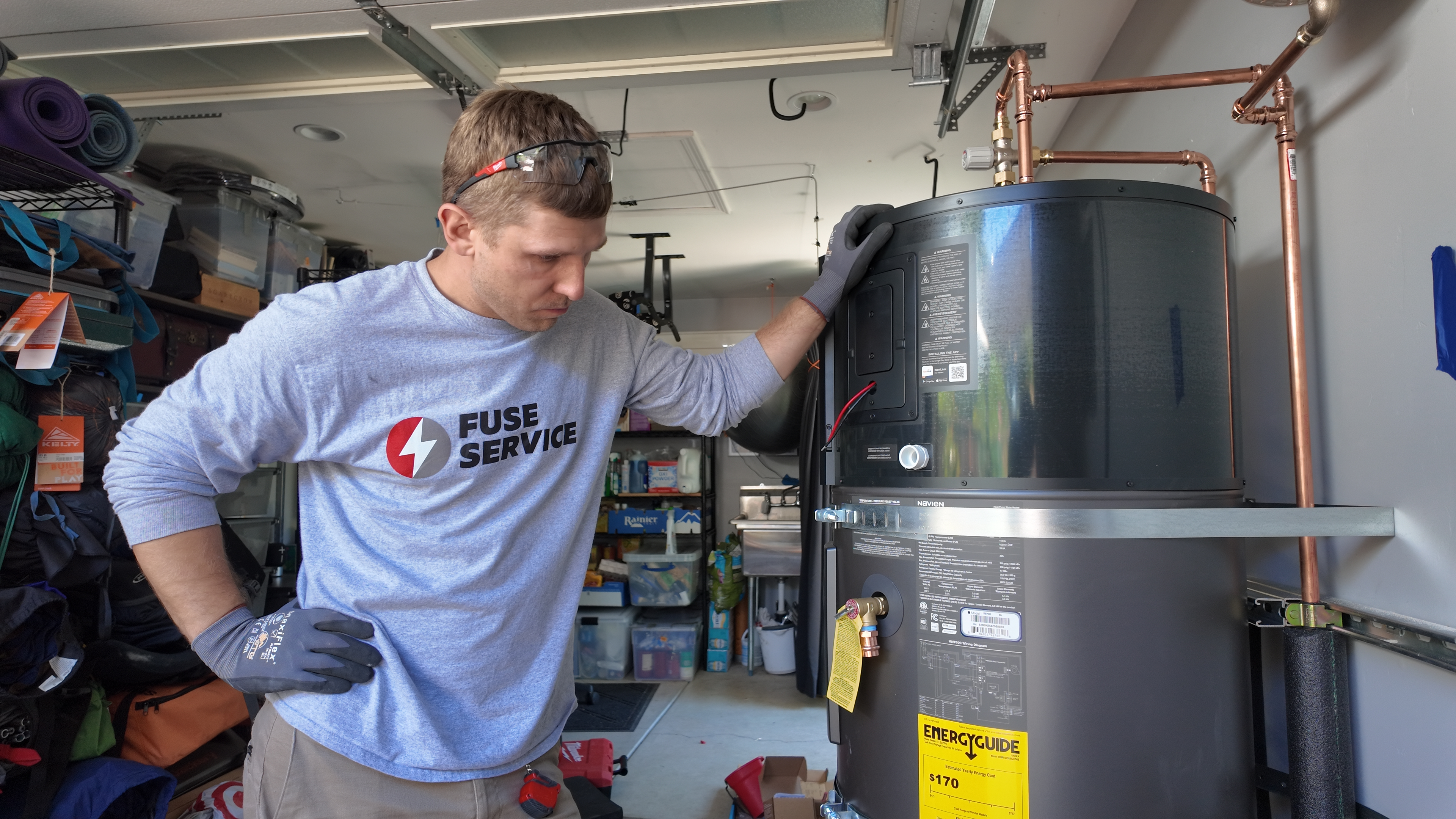
Thermostat issues are taking the bronze in a nomination for the most popular water heater not producing enough hot water causes. Water heaters are usually set for 120°F, so when the temperature is lower, obviously, the water is colder.
If your thermostat is set too low or faulty:
- Water won’t heat properly
- Temperature may fluctuate
Steps to check:
- Turn off power
- Remove access panel
- Adjust thermostat to 120°F
4 Undersized Water Heater — Is Your Tank Too Small for Your Household?
The honorable fourth place goes to the undersized water heater, which produces not enough hot water. For example:
- A family of 4 typically needs a 50–60 gallon tank
- High simultaneous usage (showers + laundry) increases demand
Here is how it looks in a practical example. Imagine a regular household with a 40-gallon tank. And suddenly they added a second bathroom. Result? If they use it as actively as the primary one, they’ll have not enough hot water from water heater during peak hours.
Solution:
- Upgrade tank size
- Consider tankless systems for continuous supply
5 Failed Heating Element (Electric Water Heaters)
The last but not the least in our chart is a failed heating element. The water heater won’t heat properly if it’s out of order.
Electric heaters typically have two elements:
- The upper element heats cold water
- The lower element maintains temperature
If one fails:
- You’ll get lukewarm water from water heater
- Hot water runs out faster than usual
How to Quickly Check Why Your Water Heater Isn’t Getting Hot Enough
You can diagnose most issues of hot water not getting hot enough in under 15 minutes. Simply check all of the parts mentioned above and track where the problem appears.
Quick Troubleshooting Table
| Step | What to Check | What It Means |
| 1 | Thermostat setting | Too low or faulty |
| 2 | Water runs out quickly | Tank too small |
| 3 | Popping sounds | Sediment buildup |
| 4 | Only lukewarm water | Heating element issue |
| 5 | Sudden temp drop | Dip tube failure |
Step-by-Step Diagnostic Flow
Decision Tree:
- Is water always lukewarm?
→ Check heating element or thermostat - Does hot water run out quickly?
→ Tank size issue or sediment buildup - Is temperature inconsistent?
→ Thermostat or dip tube problem - Do you hear rumbling noises?
→ Sediment buildup
Simple Checks You Can Do
- Verify thermostat setting (120°F)
- Flush tank if overdue
- Check breaker (electric models)
- Inspect for leaks or corrosion
For more insight on fast hot water loss, see this guide: Why does my hot water run out so fast?
When to Call a Professional vs. DIY Fixes
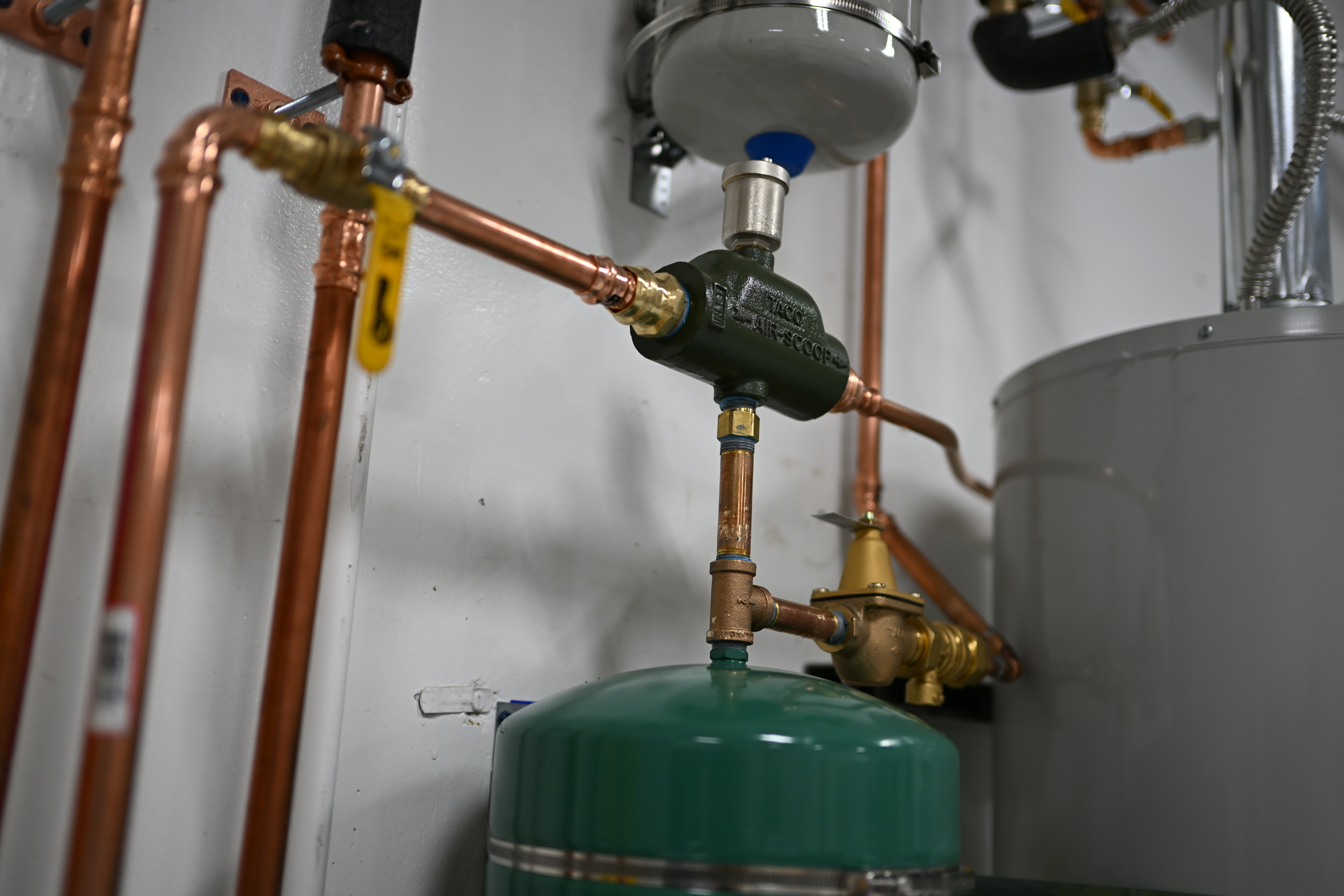
We love DIY fixes since they help homeowners get to know their appliances better and use them more effectively. But still there are issues that can be fixed only by a certified plumber due to complexity or license requirements.
DIY Fixes (Safe to Try)
- Adjust the thermostat.
- Flush sediment
- Reset the breaker.
Call a Professional When:
- The water heater not producing enough hot water persists
- Electrical components fail
- Tank leaks or corrosion appears
- System is over 10–12 years old
Professional help ensures safety and prolongs the heater’s lifespan. When you notice any of the signs to call a pro, consider a trusted water heater repair or a full plumbing repair service.
Our top plumber Ben says:
Most calls for the water heater not getting hot enough come down to maintenance neglect. Annual flushing alone prevents nearly half of these issues.
Fuse Service Water Heater Repair in San Jose & the Bay Area
In San Jose, hard water and aging systems make professional maintenance especially important for preventing new water heater not hot enough issues.
We provide Full diagnostics
- Tank flushing and maintenance
- Heating element replacement
- System upgrades
Hiring a local contractor is crucial, since only San Jose experts have a fulfilling understanding of water hardness in the Bay Area and how it accelerates sediment buildup.