 by
by 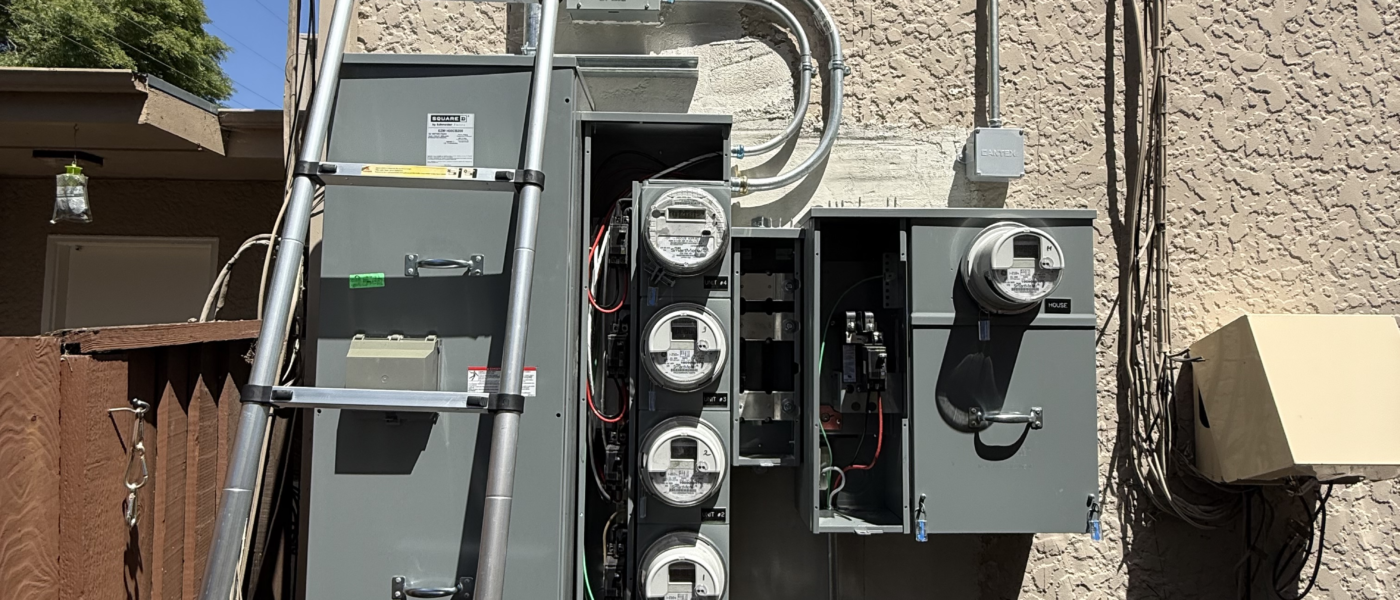
Let’s be honest: almost all of us notice the electrical panel only when something stops working. A breaker trips a few times in a row, or a part of the house goes dead. And that’s exactly when that gray box on the wall becomes important.
That box on the wall is the control point of the entire house. Every circuit passes through it. Every appliance depends on it. Is it undersized or old? Then the whole system feels it. So, knowing the types of electrical panels is a must, especially if you want your home to be bright and safe.
What Are the Different Types of Electrical Panels?
The main types of electrical panels in homes are main breaker panels, main lug panels, sub-panels, and transfer switch panels.
All the electrical panel types are actually about the same: it is just the point where electricity gets organized inside a house. Power comes in from outside and lands in one box. From there it gets split into separate circuits. Each circuit goes to something specific in the home like lights, outlets, kitchen appliances, or heating.
Circuits are always protected. In most homes that protection comes from breakers. When a circuit gets overloaded, the breaker turns it off. That stops wires from heating up. In older homes you may still see fuses instead. A fuse does the same thing, but it breaks and needs to be replaced. That’s the basic structure of how home electrical systems are set up.
The Most Common Electrical Panel Types Explained
Main Breaker Panels
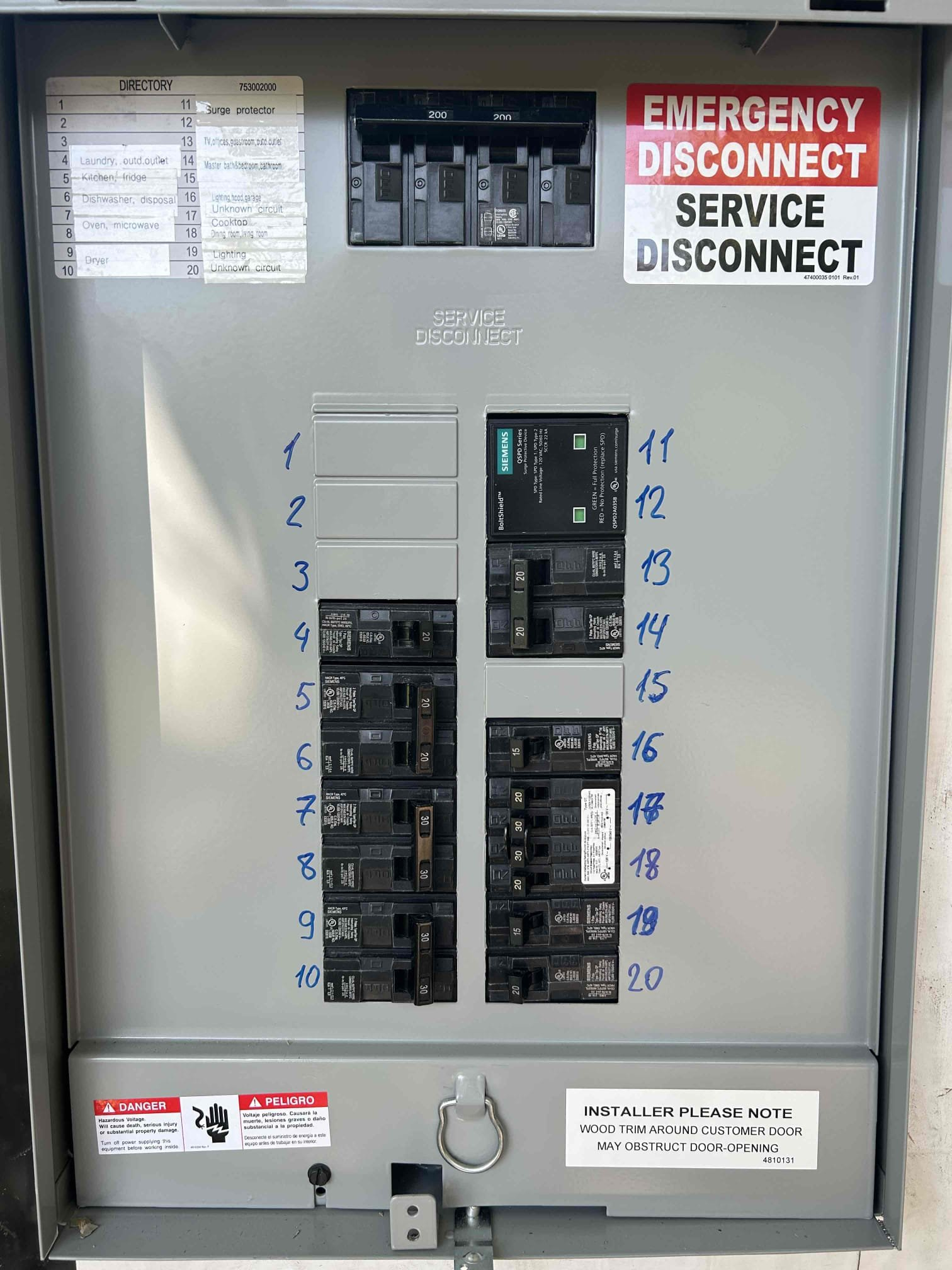
Every main breaker panel has one large switch. It’s necessary because it shuts power off across the whole house. And, as you can understand, the total electrical load is very important from this point. Older homes often worked fine with 100 amp service. Why? That’s because people simply used less electricity back then. Today, 200 amp panels are far more common. Modern houses run air conditioning, large kitchen appliances, TVs, computers… dozens of other things every day, so the electrical demand is much higher now.
This type is simple: one panel controls everything, and each circuit has its own breaker for protection.
Main Lug Panel
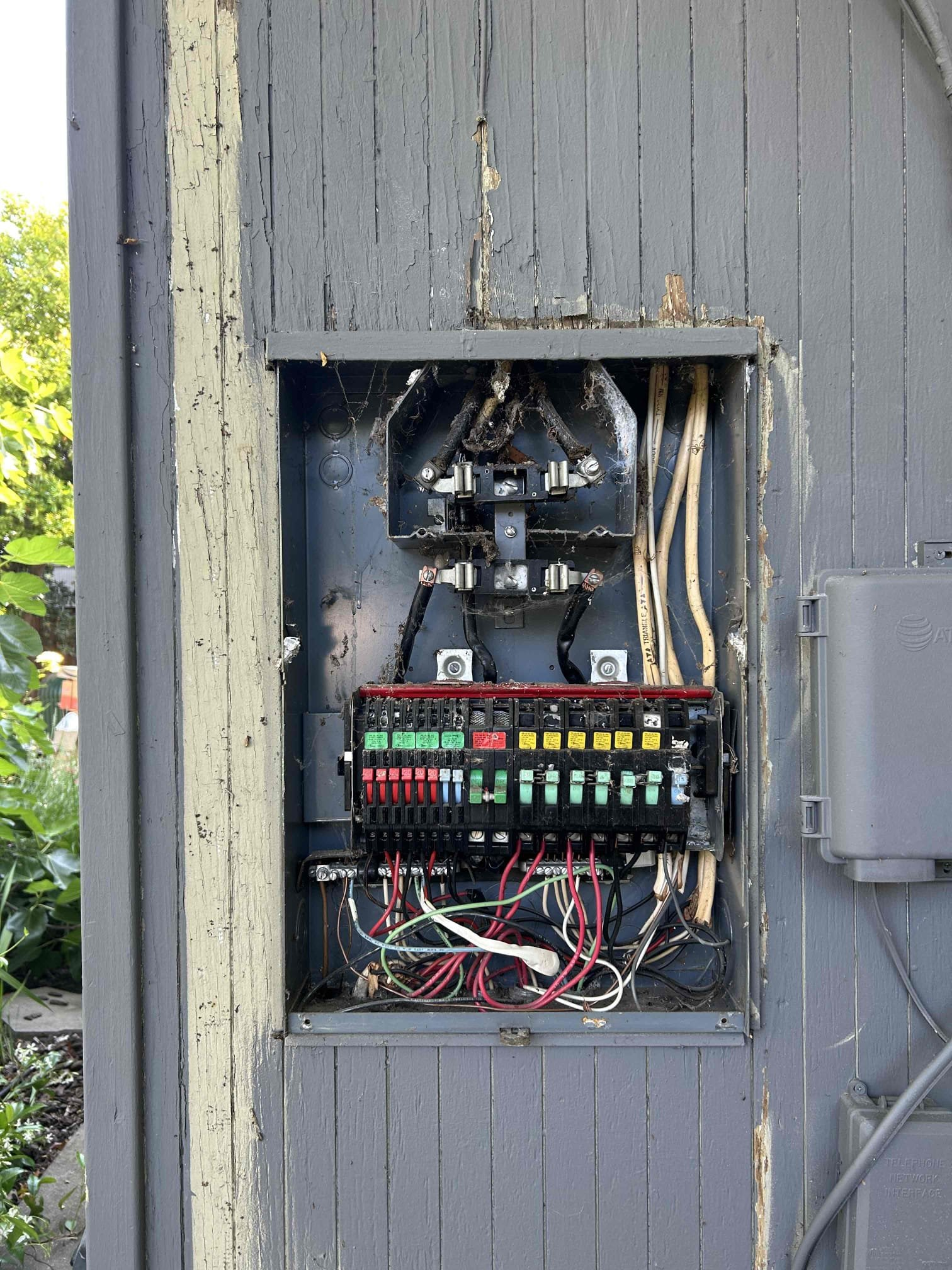
A main lug panel does not have a built-in main disconnect. Power feeds directly into the panel, and the shutoff is located somewhere upstream.
These panels are usually not the main service panel. They are used as extensions of an existing system. Common locations:
- garages;
- workshops;
- home additions.
They are practical when you need more circuits in a separate area.
Sub-panel
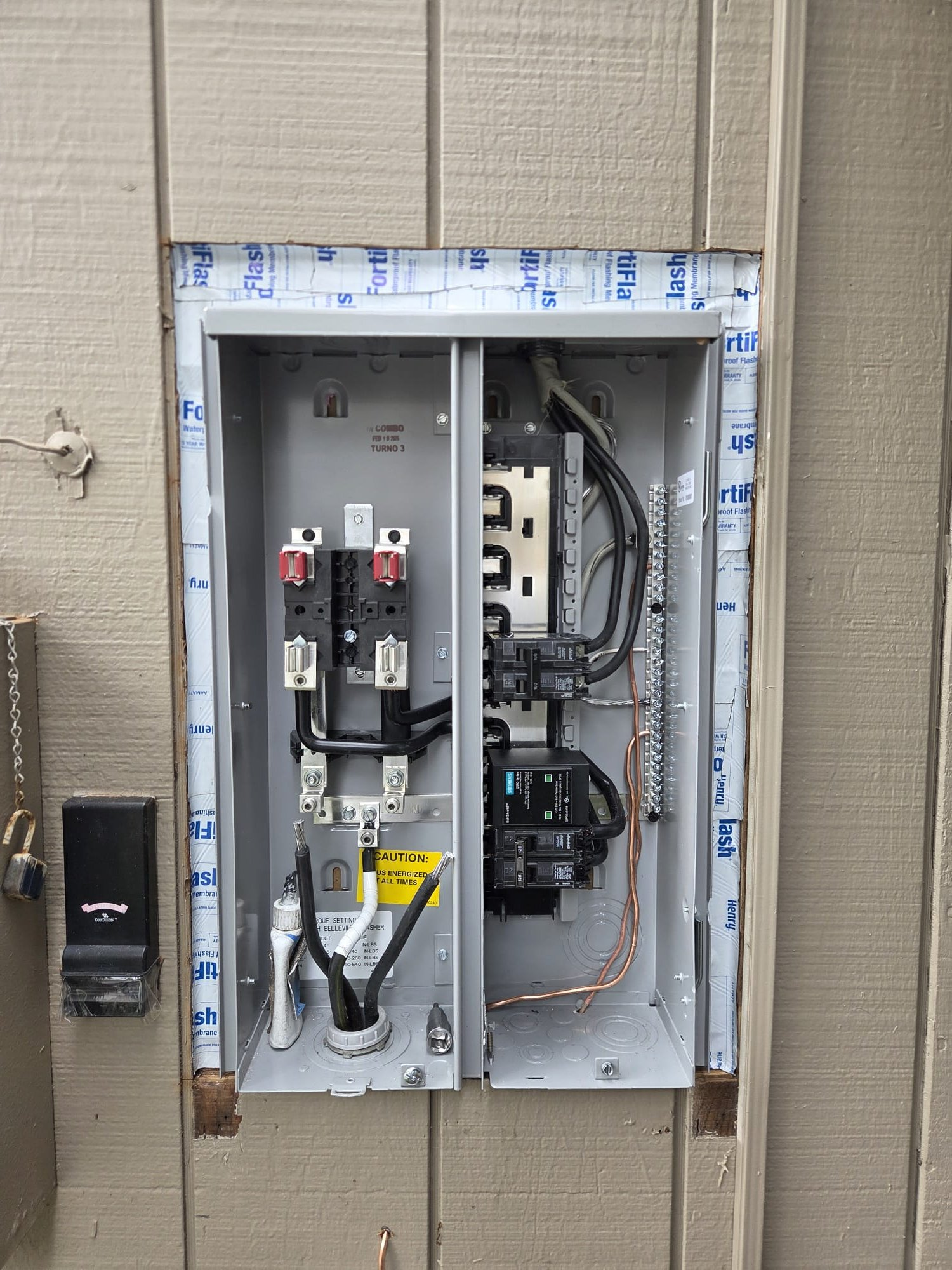
A sub-panel is an extension of the main panel. It takes power from the main system and distributes it locally. It does not replace the main panel. It expands it. Typical uses:
- basements;
- garages;
- guest houses;
- new rooms or additions.
Sub-panels are often installed when the main panel is full or too far from the new electrical load.
Transfer Switch Panel
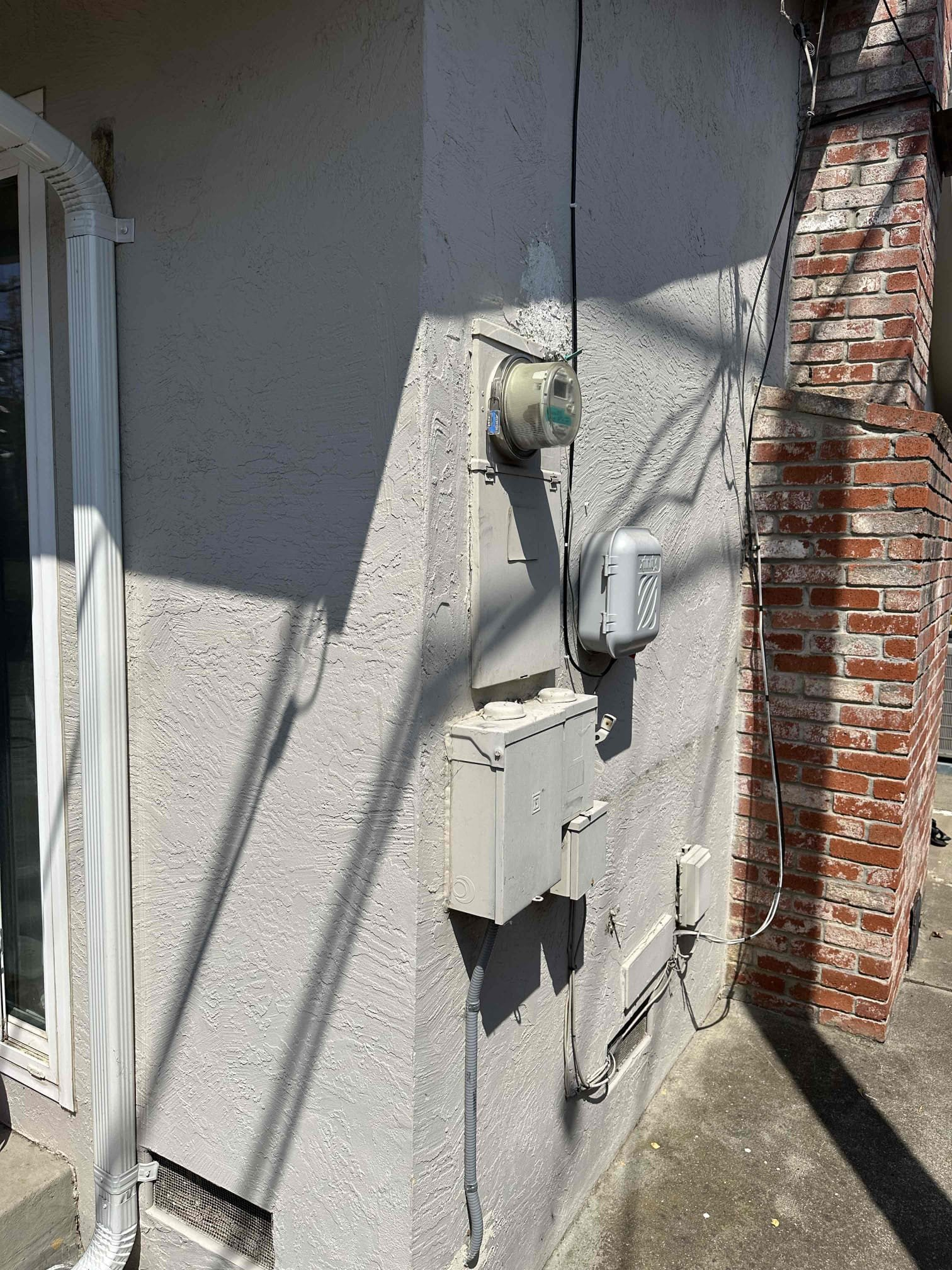
These panels usually appear in homes with backup generators. Their job is simple: they switch the house between utility power and generator power safely. So, only one source is active at a time.
But what can really happen without a transfer switch? A generator can backfeed electricity into the grid. That’s extremely dangerous. These systems are common in homes that need backup power during outages.
Electrical Panel Types Comparison
| Panel Type | Main Purpose | Typical Location | Advantages | Drawbacks |
| Main Breaker Panel | Controls whole-home power | Main utility connection | Safe and convenient | Higher installation cost |
| Main Lug Panel | Secondary distribution | Garage or addition | Compact and affordable | No built-in shutoff |
| Sub-panel | Expands circuit capacity | Separate area of home | Adds flexibility | Depends on main panel |
| Transfer Switch Panel | Connects backup generator | Near main panel | Safe generator operation | Extra equipment required |
| Fuse Box | Older electrical distribution | Older homes | Simple setup | Outdated and limited |
Across electrical panels types, the biggest difference is how the system is controlled and how safely it reacts to overload.
Fuse Box vs Circuit Breaker Panel — What’s the Difference?
A fuse box is a type of electrical system that protects circuits with replaceable fuses (an old-fashioned way to protect your home, to tell the truth). Nowadays, you could say that a distribution panel serves the same purpose. It uses switches known as circuit breakers.
That difference matters in everyday use. Breaker systems are faster, safer, and just more convenient.
| Feature | Fuse Box | Breaker Panel |
| Reset after overload | No | Yes |
| Modern code compatibility | Limited | Yes |
| Convenience | Lower | Higher |
| Expansion capability | Limited | Better |
| Common in new homes | No | Yes |
Most modern homes use breaker systems because they are safer and easier to maintain.
Outdated and Dangerous Electrical Panels
Some older panels are known for reliability issues. Electricians often flag these brands:
- Federal Pacific Electric (FPE);
- Zinsco;
- Pushmatic;
- old fuse box systems.
The concern is not just age. In some cases, breakers may not trip properly during overload conditions. That means the safety system may fail when it’s needed most. Warning signs for all electrical panels types usually look like this:
- burning smell near the panel
- warm breakers
- buzzing sounds
- flickering lights
- rust or corrosion
- frequent tripping
The U.S. Consumer Product Safety Commission (CPSC) has documented concerns about certain outdated residential electrical systems. So, make sure that you don’t have one of these brands at your home.
Which Electrical Panel Type Do You Have?
Most homeowners can identify the type of their panel with a quick check inside the panel door. Look for:
- breaker switches or screw-in fuses;
- brand label;
- amperage rating;
- main disconnect switch;
- empty breaker slots.
Common panels brands include Square D, Siemens, Eaton, GE, and Leviton. Quick identification steps:
| Fuses | Older system |
| One main large switch | Main breaker panel |
| No main switch | Main lug panel |
| Extra connected panel | Sub-panel |
| Generator switch | Transfer system |
This is usually enough to understand types of electrical panel boards in a home.
When You Should Upgrade Your Electrical Panel
All the types of electrical panels usually don’t fail suddenly. They show signs over time.
Still Using a Fuse Box
Not designed for modern electrical loads.
Breakers Trip Often
Usually a sign of overload.
Renovation Planned
New appliances increase demand.
Old System
25–30 years or more should be inspected.
No Space Left
If there are no open breaker slots, capacity is limited.
In these situations, an electrical panel replacement is often the safest option.
How to Choose the Right Electrical Panel for Your Home
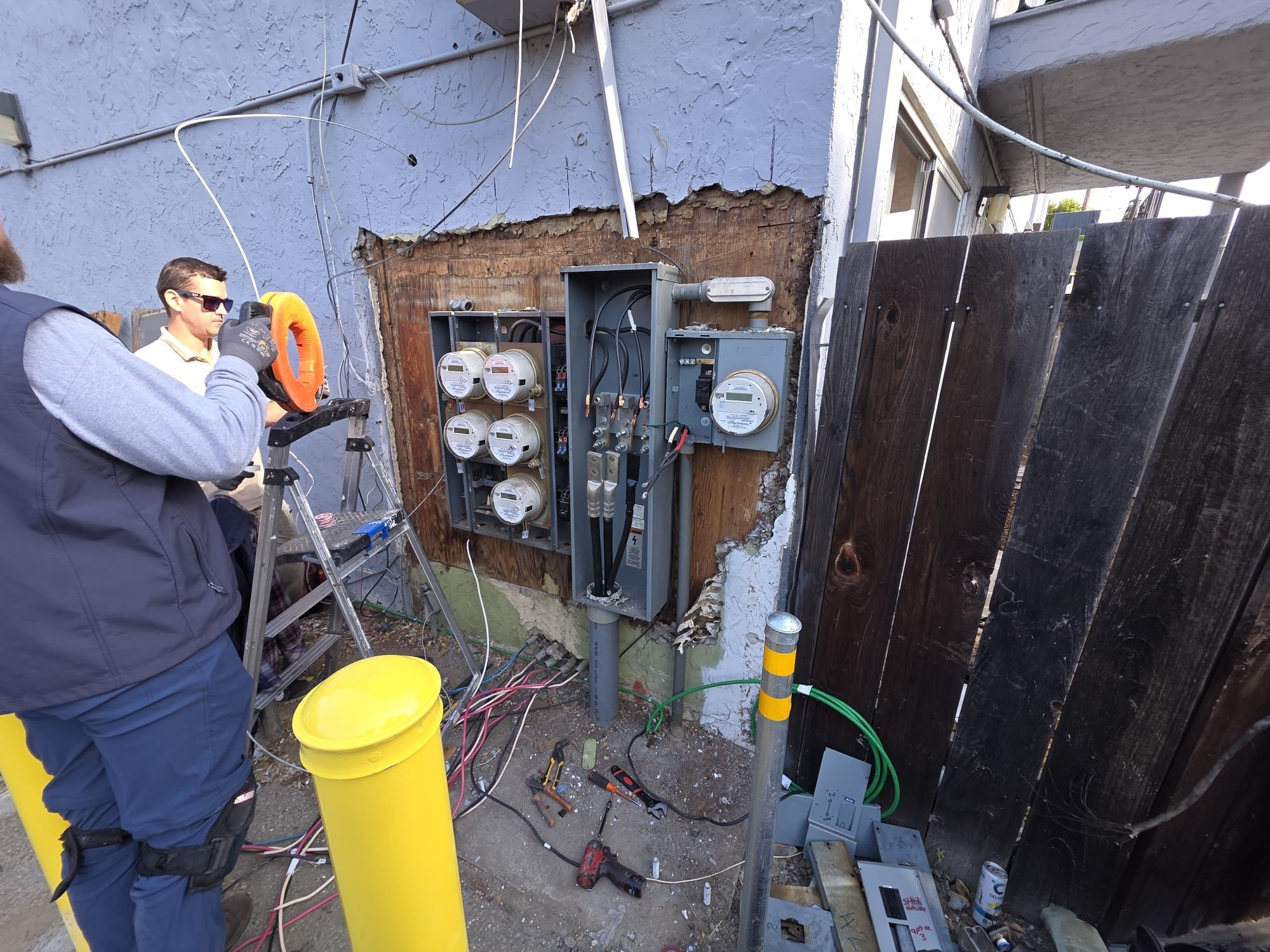
Choosing a panel depends on how much electricity the home actually uses.
| Home type | Size |
| Small home | 100A |
| Average home | 150–200A |
| High usage home | 200A+ |
Modern homes use more electricity due to HVAC systems, appliances, and electronics. Checking proper electrical panel sizes early helps avoid expensive upgrades later.
A common issue is systems running too close to maximum load. They still work, but without safety margin. Working with licensed electricians in San Jose helps ensure proper sizing and installation.
Need Help Inspecting or Upgrading Your Electrical Panel?
Electrical panels may look simple, but they are important for safety in the home. An inspection can find old parts, overloaded circuits, or systems that no longer fit the house.
Rules for types of residential electrical panels like NFPA 70 change over time because homes now use more power than before. New panel boards handle higher load and offer better protection, but only when installed properly. If something seems wrong, it’s better to call a contractor like Fuse Service and check it early.
Frequently Asked Questions (FAQs)
What are the main types of electrical panels?
According to the Electrical Safety Foundation International (ESFI), homes use different types of electrical panels. Among them are main breaker panels, main lug panels, sub-panels, and that’s not the end of the list. But names are not what you need to know. What matters is how the electrician built the system and how electricity is actually distributed through the house.
What is the difference between a breaker panel and a fuse box?
A breaker panel is one of the most popular types of electrical panels for home today. If something overloads, a switch turns off and you just flip it back. A fuse box is older. A small fuse burns out and you replace it. That’s it.
How to tell what type of electrical panel you have?
Open the panel door. If you see rows of switches, it’s a breaker panel. If you see screw-in round parts, it’s a fuse box. One big main switch usually means a main breaker panel. If it’s fed from another box, it’s a sub-panel.
Are old electrical panels dangerous?
Some older panels don’t always shut off power the way they should. So a circuit can keep running even when it shouldn’t. That’s why electricians usually check them carefully in older homes.
When should you upgrade an electrical panel?
You usually notice it in daily life. Breakers trip too often. There’s no room left for new circuits. Or you add something like a big appliance and the system starts acting unstable.
Which electrical panel is best for a home?
Most homes now use a 200 amp main breaker panel. It just works for normal life without much thinking. It also gives a bit of extra space for future changes.