 by
by 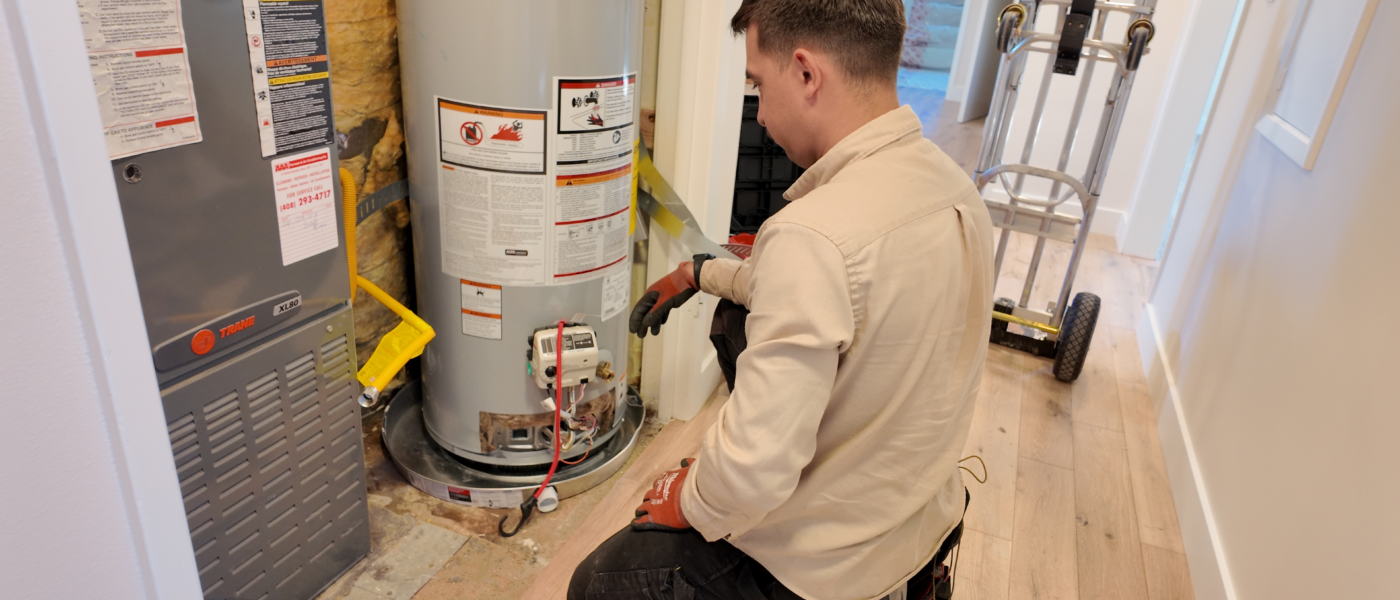
If you notice yellow water from tap, you can say almost for sure that it’s because of rust or plumbing work nearby. Running the water a little bit helps in most cases. So, if you see that water is yellow from tap for the first time, be ready to find out that the reason is in old pipes or a dirty water heater. But persistent discolored water can mean there is a worse plumbing issue that needs your attention.
What Yellow Tap Water Usually Means
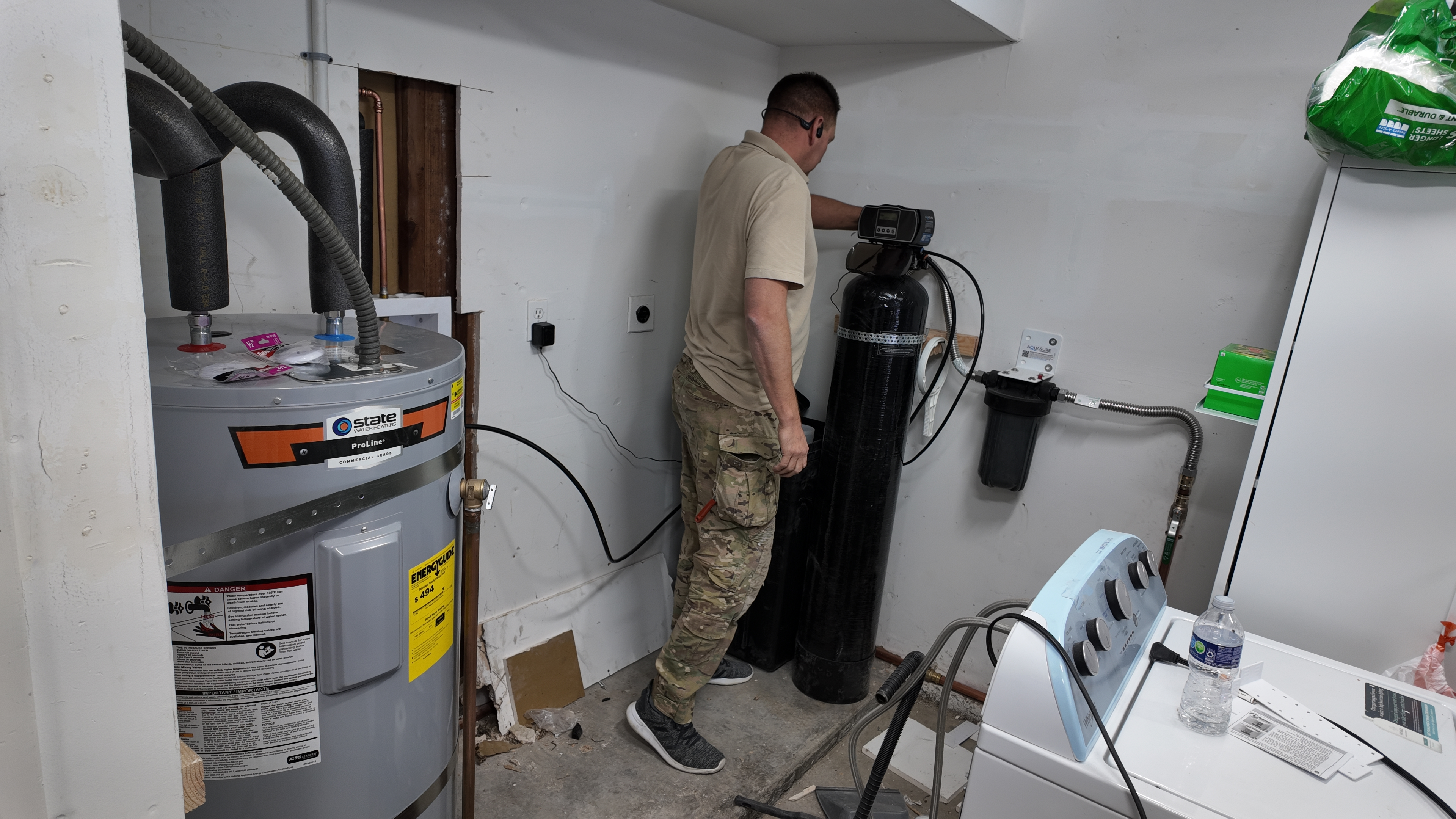
In most cases yellow tap water means some kind of sediment has reached your plumbing system. The color may be slightly yellow or even dark brown yellow. The tone depends on the source of the problem.
It’s a common thing that the issue starts inside your home, especially if the building isn’t modern. Aging galvanized pipes often release rust particles into the water. But sometimes city crews may flush hydrants or repair underground water lines, stirring sediment into the public supply.
The good news is that yellow water from tap is often temporary. The bad news is that ignoring it can lead to pipe damage. And, moreover, it’s simply unsafe.
The Most Common Reasons Your Water Turns Yellow
Yellow water always looks worse than it usually is. Most people notice it instantly and think a serious part has broken, but in reality it’s often something quite ordinary happening in the background.
Rust Inside Old Pipes
This usually shows up in older plumbing. The inside of metal pipes slowly corrodes over time — nothing dramatic day to day, so you don’t really notice it building up. Then at some point something changes in the flow — pressure shift, water being turned off and on, that kind of thing — and small pieces of rust get pulled into the water. That’s when the color shows up. Not constant, more like random episodes.
Water Heater Issues
The water heater is another common reason. Sediment just sits at the bottom of the tank over the years. It doesn’t cause problems until it gets disturbed. So you turn on hot water, especially after a while of not using it heavily, and suddenly it comes out looking off — slightly yellow or cloudy. Cold water usually stays fine, which is a pretty clear hint it’s coming from the heater. Professional water heater repair may prevent bigger plumbing damage later.
City Water Maintenance
Many homeowners ask, “why is my water yellow all of a sudden?” Often, the answer is simple: local utility work. City crews regularly flush hydrants, repair water mains, or test supply systems. These activities disturb sediment that normally sits harmlessly inside municipal pipes. It’s one of those situations where the problem is real, just not within your control. According to EPA guidance, temporary discoloration after maintenance is common but should still be monitored if it persists.
Sediment Build-Up in Pipes
Minerals gather inside pipes, even in normal conditions. It happens slowly over the years. So, as you understand, most homeowners don’t notice anything at first. Then one day some of that buildup breaks loose and moves through the pipes. The water suddenly looks yellow for a while and later turns clear again. Because it comes and goes, the problem can be hard to figure out.
Changes in Water Supply
There are also times when nothing inside the house changes, but the water still looks different. That usually comes from shifts in the local supply system. The California State Water Resources Control Board says that some water systems naturally contain iron and manganese. These minerals can make the water look yellow or discolored. But this water condition doesn’t always mean immediate health danger.
Is Yellow Water Safe to Use or Drink?
Sometimes yellow water from tap turns out to be harmless. Sometimes it points to a bigger issue. It really depends on why the color appeared in the first place.
| Water Appearance | Possible Cause | Safety Level |
| Slightly yellow | Mild sediment or minerals | Usually low risk |
| Yellow-orange | Rust or iron | Avoid drinking until checked |
| Brown yellow | Heavy corrosion or main disturbance | Do not drink |
| Cloudy yellow | Sediment or bacterial issue | Needs inspection |
In some houses, the change comes from rust or sediment that briefly moved through the pipes. The water looks strange, even if the issue itself is minor. If the water clears quickly and stays normal afterward, the situation is often temporary. But if the water develops a strong smell or unusual taste, that’s different. At that point it makes more sense to stop using it.
How to Tell Where the Problem Is Coming From
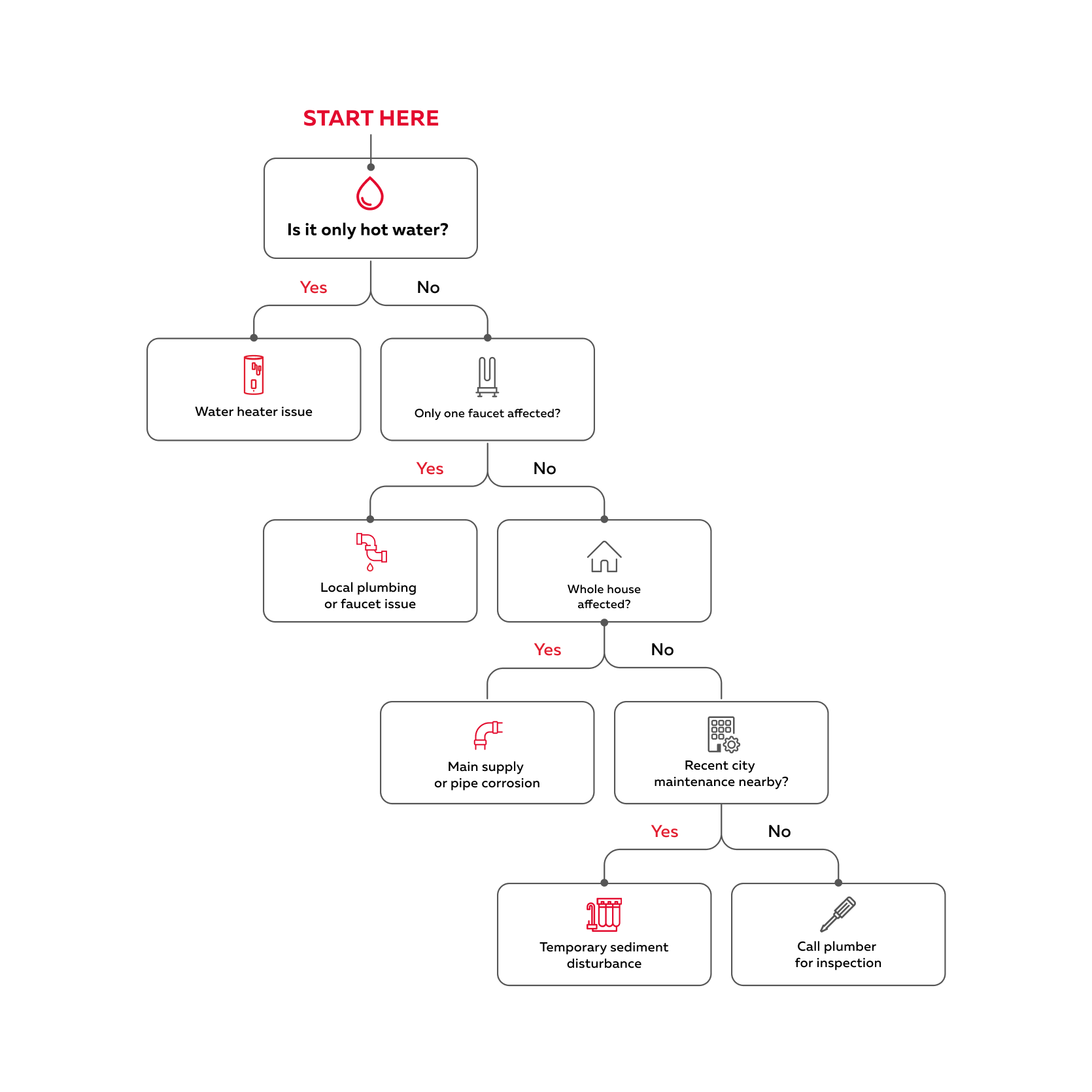
Only Hot Water? Check the Heater
If cold water looks normal but hot water doesn’t, the heater becomes the likely source very quickly. That’s especially true in older systems where sediment has had years to build up.
Only One Faucet? Local Issue
One affected faucet usually means the issue is nearby — inside that fixture or in a short section of pipe connected to it. That’s normally less serious than a whole-house problem.
Whole House? Likely Main Supply
If every faucet shows the same yellow tint, the source is usually further upstream.
Sometimes neighbors notice it too around the same time.
What You Should Do Right Now (Step-by-Step)
Start Simple First
Before assuming the worst, run cold water for a few minutes and see if the color changes.
Then compare:
- kitchen vs bathroom;
- hot vs cold;
- one faucet vs multiple faucets.
Imagine you found out water became yellow.
Those quick checks already tell you a lot.
How to Troubleshoot
| Task | Why It Matters | Frequency |
| Check for visible leaks | Prevents water damage and mold growth | Monthly |
| Test water pressure | High pressure damages pipes and fixtures | Monthly |
| Inspect drains | Slow drains indicate early clogs | Monthly |
| Check toilets for running water | Prevents hidden water waste | Monthly |
| Inspect washing machine hoses | Avoids flooding from burst hoses | Every 6 months |
| Flush water heater | Removes sediment buildup | Annually |
| Test shut-off valves | Ensures emergency readiness | Annually |
| Clear outdoor drains | Prevents storm backups | Seasonally |
| Inspect caulking | Stops water intrusion into walls | Annually |
| Check water meter | Detects hidden leaks | Quarterly |
If It Keeps Happening
A one-time discoloration event is pretty common. Water coming out yellow from tap during weeks or months is different. That usually means something inside the plumbing system is aging, corroding, or collecting buildup somewhere.
How to Fix Yellow Water (Long-Term Solutions)
There isn’t one universal fix because the source varies from house to house. In some homes, flushing the heater helps immediately. In older houses, sections of pipe may eventually need replacement. Some homeowners add filtration systems to reduce visible sediment.
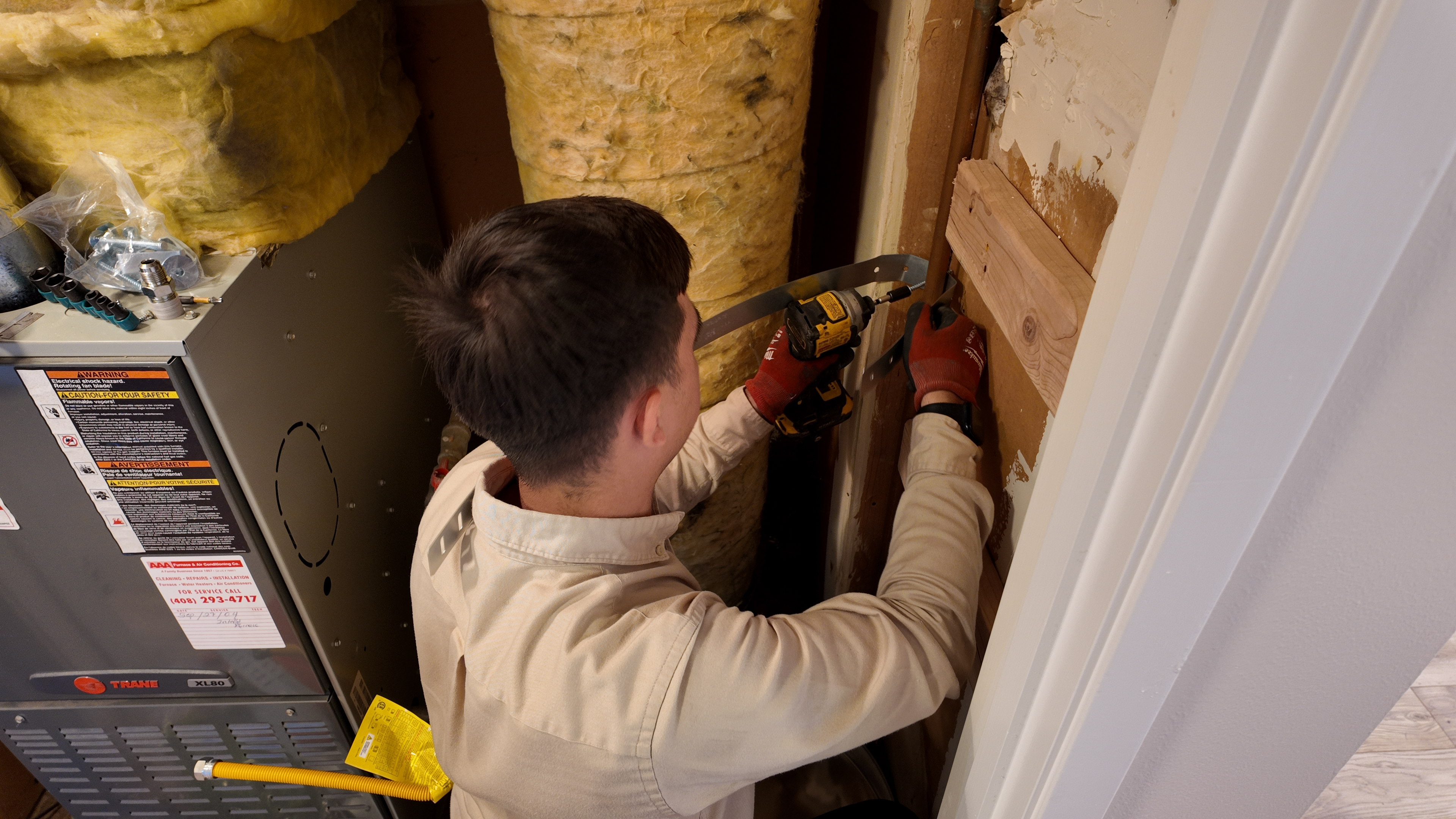
If the source isn’t obvious, having professional plumbers inspect the system usually saves time. And a complete plumbing repair service can also help identify hidden issues before they grow into larger problems.
How to Prevent Yellow Water in the Future
Rust develops gradually. Sediment settles slowly. Mineral buildup takes years. That’s why small maintenance checks matter more than people think. Catching changes early is usually easier than dealing with bigger plumbing repairs or even whole pipe replacement later.
Even running unused faucets occasionally can help keep water moving through the system instead of letting sediment sit.
Signs You Should Call a Plumber Immediately
Water Stays Discolored For More Than a Day
Temporary yellow water from tap happens. Water that stays yellow for days is different.
Pressure Changes at the Same Time
Weak flow together with discoloration can point toward a larger plumbing issue inside the system.
The Water Smells Strange
Strong metallic or chemical smells together with yellow water should never be ignored.
Need Help Fixing Yellow Water Fast?
Sometimes yellow water disappears before the day ends and never comes back. Other times it slowly turns into a repeating issue people notice every few weeks without really understanding why.
If it keeps returning, affects the entire house, or appears together with pressure changes, it’s usually worth checking the plumbing before the issue becomes more serious.