 by
by 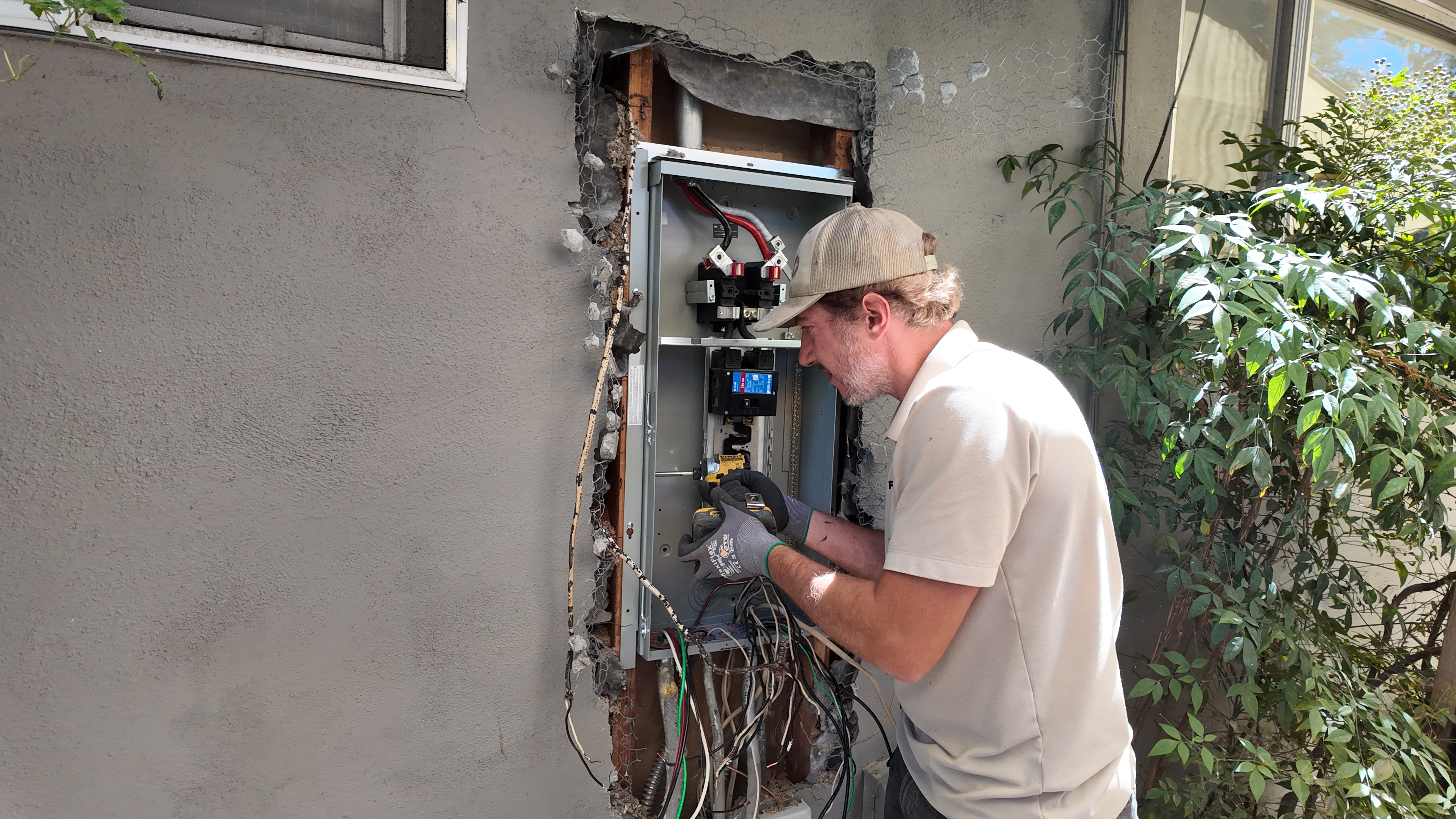
It never really announces itself. One moment everything seems fine — kettle humming in the kitchen, a few quiet appliances working in the background like they’ve always done… But suddenly the power goes out. A quick reset seems enough, so life goes on. But those small interruptions are often the first clues of overloaded circuits that have to handle more power than they were designed for.
What Is an Overloaded Circuit?
An overloaded circuit is what happens when too many appliances pull electricity from the same line at the same time. A house isn’t wired as one big system — it’s split into smaller paths called branch circuits, each serving a specific area or function. Each one has a limit. That’s the basic overloaded circuit meaning.
When that limit gets pushed too far, you get an electrical overload. The wiring heats up, the breaker reacts, and power shuts off before damage can spread. Most people only notice it when something stops working. But the system is usually struggling quietly before that moment.
If You Think a Circuit Is Overloaded, Start Here
When a breaker trips, the instinct is usually to reset it right away. That’s understandable, but it skips the most important part — figuring out what caused it.
Unplug the usual suspects first
Start by looking at the biggest power users in the house. Space heaters, portable air conditioners, electric dryers, microwaves, and EV chargers don’t need much help to push a circuit into overload territory. A couple of them together is often enough to trigger an electrical overload.
Look around the room, not just the outlet
Overloads don’t always come from one socket. In many homes, it’s a combination of devices across the same circuit. A TV here, a charger there, a kitchen appliance in the background — it adds up quietly.
Notice if anything changed recently
A lot of calls to electricians start with the same story. “Everything was fine until we added…” A new freezer in the garage. Or a desk setup in the bedroom. Or extra heaters during winter. The ESFI warns that that’s usually where an electrical circuit overload starts to build.
Pay attention to how often it happens
A breaker that trips once in a blue moon is not unusual. One that trips every few days is telling you something different.
Signs of an Overloaded Circuit
The strange part about overloads is that they rarely look dramatic at first. It’s more like small annoyances that keep repeating.
Lights that react to appliances
You turn on the microwave and the kitchen lights dip for a second. Or the vacuum starts and the room flickers slightly. That’s one of the most common early signs of electrical overload.
Breaker trips that start becoming normal
At some point, people stop being surprised by it. They just go reset it. That’s usually when the circuit is already under constant stress.
Warm or slightly uncomfortable outlets
The NFPA says that you shouldn’t feel warm from a wall outlet. If you do, even mildly, something inside the circuit is working harder than it should.
Odd sounds in quiet moments
A slight hum isn’t always a problem. What matters is a sound that’s new, getting louder, or showing up alongside other warning signs such as heat and flickering lights.
Devices shutting off without warning
A coffee machine resets. A heater shuts down. A charger stops working mid-use. These interruptions often point to electrical circuit overload conditions.
| Sign | What it usually feels like | What it points to |
| Breaker keeps tripping | Annoying routine reset | Overloaded circuit |
| Lights flicker | Brief dip in brightness | Power strain |
| Warm outlet | Slight heat on touch | Electrical overload |
| Buzzing sound | Low electrical hum | Wiring issue |
| Devices shut off | Random interruption | Circuit overloading |
It’s rarely one big mistake. It’s usually everyday life happening all at once.
Modern homes use more power than wiring expects
Older homes weren’t designed for today’s load. Back then, there were no gaming PCs, multiple TVs, smart devices everywhere, or kitchens full of plug-in appliances.
High-demand appliances stack up fast
A space heater alone can take a big chunk of a circuit. Add a kettle or microwave, and an overloaded electrical circuit becomes very easy to trigger.
One room becomes the power zone
Kitchens and living rooms tend to collect devices. Over time, that one area starts carrying more load than the rest of the house.
Aging panels quietly fall behind
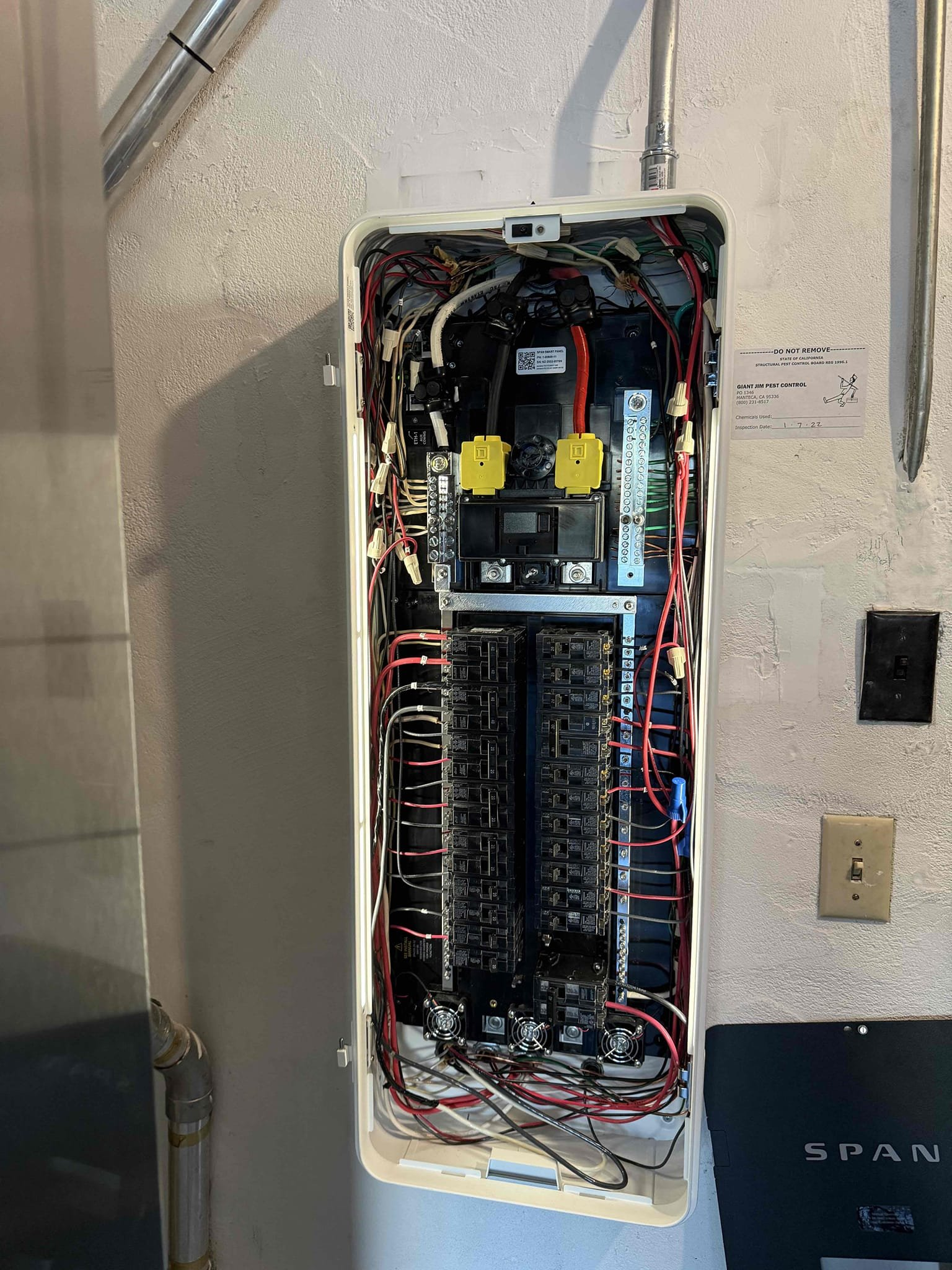
Sometimes the issue isn’t usage — it’s capacity. In those cases, an electrical panel upgrade is what actually fixes the root problem.
The Mistakes That Overload Circuits
Most people don’t realize they’re building the problem while trying to make life easier.
“Just one more thing” mindset
A phone charger becomes two. Then a lamp. Then a heater. None of it feels like much on its own.
Power strips everywhere
They make things more convenient, not safer. The circuit behind them is still the same.
Running heat-producing devices together
Heaters, dryers, and kitchen appliances are the fastest way to overload electrical circuit without noticing it immediately.
Treating breaker trips as normal
Resetting becomes a habit instead of a warning sign.
| Habit | What it leads to | Better approach |
| Too many devices in one area | Heat buildup | Spread usage |
| Constant extension cords | Hidden stress | Add outlets |
| Ignoring breaker trips | Repeated overload | Investigate cause |
| Multiple heaters | High load spikes | Separate circuits |
How to Check for Overloaded Circuits Safely
You don’t need tools for this. You just need to observe what the house is doing.
If a breaker trips, ask yourself:
- What was running right before it happened
- Which appliances were on at the same time
- Did lights dim or flicker first
- Is the same circuit doing this repeatedly
If yes, you’re likely dealing with overloading electrical circuits, even if everything still turns back on. That’s a quick check for overloaded circuits:
| Symptom | Risk level | Meaning |
| Burning smell | Critical | Immediate danger |
| Hot panel or outlet | High | Electrical overload |
| Frequent trips | High | Circuit stress |
| Flickering lights | Medium | Load imbalance |
How to Prevent Overloaded Circuits
Prevention here is mostly about habits, not equipment.
Don’t cluster everything in one place
Spread appliances across the house instead of stacking them in one room.
Respect heavy appliances
Some devices simply need their own space on the system.
Keep older systems maintained
Regular electrical maintenance services help catch weak points before they become failures.
Stop relying on temporary wiring
Extension cords are for short use, not daily life.
Make sure protection systems are healthy
Modern breakers are designed for electrical overload protection, but they only work properly when the system behind them is solid.
When to Call an Electrician
There’s a point where guessing stops being useful.
- Breaker keeps tripping again and again
- Outlets feel warm or smell odd
- A new appliance immediately causes problems
In these cases, breaker repair or a deeper inspection is usually needed. Electricians see this all the time: what looks like just a tripping breaker is often a mix of load issues or circuits that were never designed for modern usage.
Another reason overload problems catch homeowners off guard is that electrical systems age quietly. Wires don’t send reminders, and breakers don’t announce they’re wearing out. That’s where professional electrical maintenance services can make a difference, helping identify overloaded circuits, deteriorating components, and capacity issues before they start disrupting daily life.