 by
by 
Black, blue, red, yellow, and green! All of these wonderful colors are commonly used in wiring. They are not accidental; there is an electrical wire color code which defines all of them. This code is a universal language of the electricians all over the world that helps avoid dangerous misunderstandings. In this article we are going to teach you how to translate what wires are whispering to you and how to paint your electricity smartly.
Why Wire Color Codes Matter in Electrical Safety
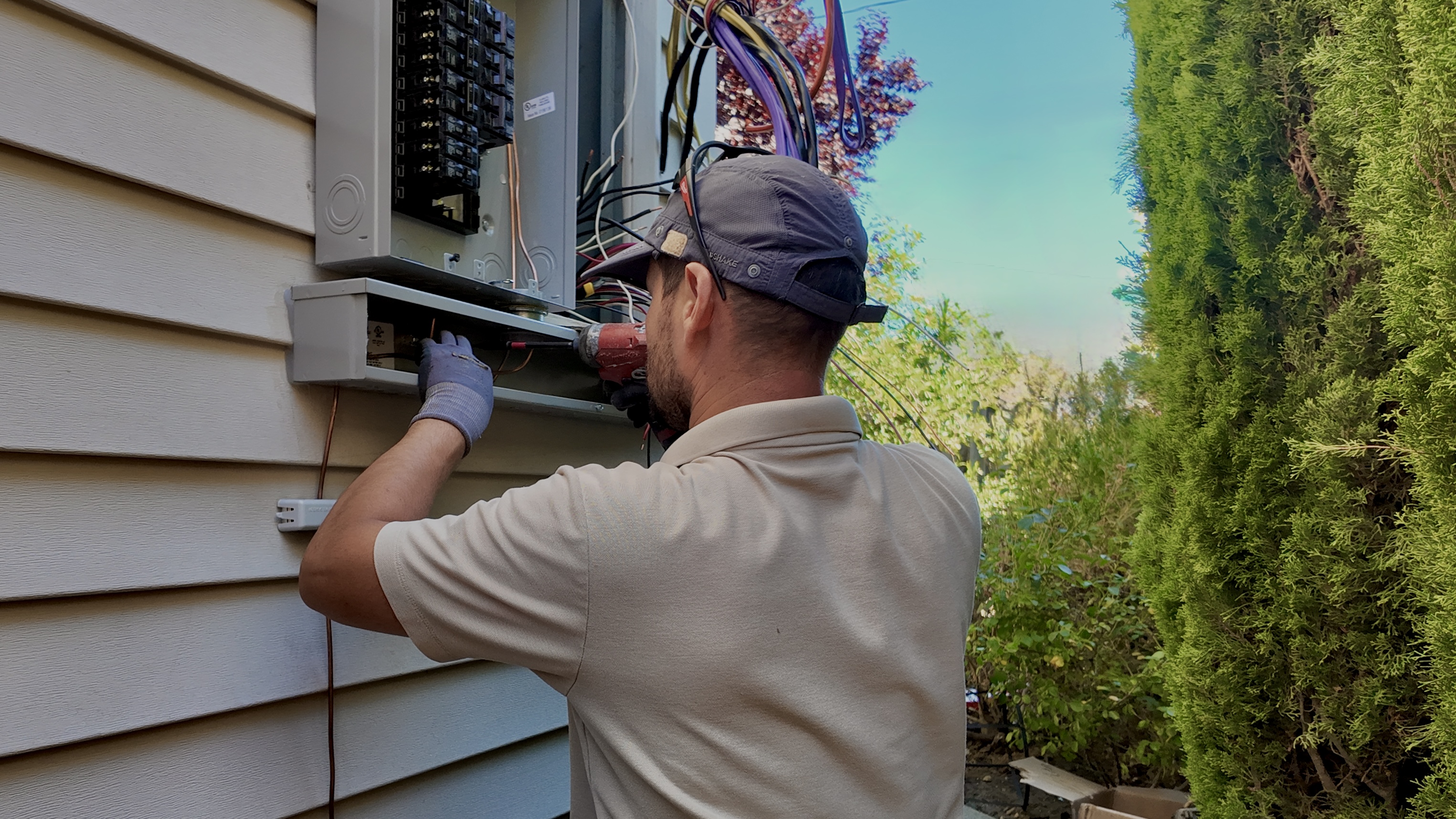
Color coding isn’t just a formality or an unnecessary precaution—it’s a critical safety standard. Electrical cable is a provider of light and life but also a threat. The electrical wiring color code standards guide the electricians and homeowners to avoid this possible threat. Knowing what each color means reduces the risk of accidental shock, improper connections, and equipment damage.
Standard Electrical Wire Color Codes in the USA
In the US, it is the National Electrical Code (NEC) where you can find everything you need to know. These standards apply to residential and industrial wiring:
| Wire Type | Color | Purpose |
| Hot/Live | Black, Red | Carries electricity |
| Neutral | White, Gray | Returns current to the source |
| Ground | Green, Bare | Provides safety path to ground |
Understanding these home electrical wire colors ensures proper handling during installation or a wiring repair.
Common Wire Colors and Their Meanings
Here are some electrical wire colors meaning tips for your convenience:
Hot (Live) Wires
- Black and red are the most common wire color for hot wires in standard 120/240V circuits.
- Those wires transmit power from the source around the system to the devices that are plugged in.
- There are also some other colors like blue. You may find them in 3-phase systems.
Neutral Wires
- Neutral wires are white or gray.
- They complete the circuit by returning electricity back to the electrical panel.
Ground Wires
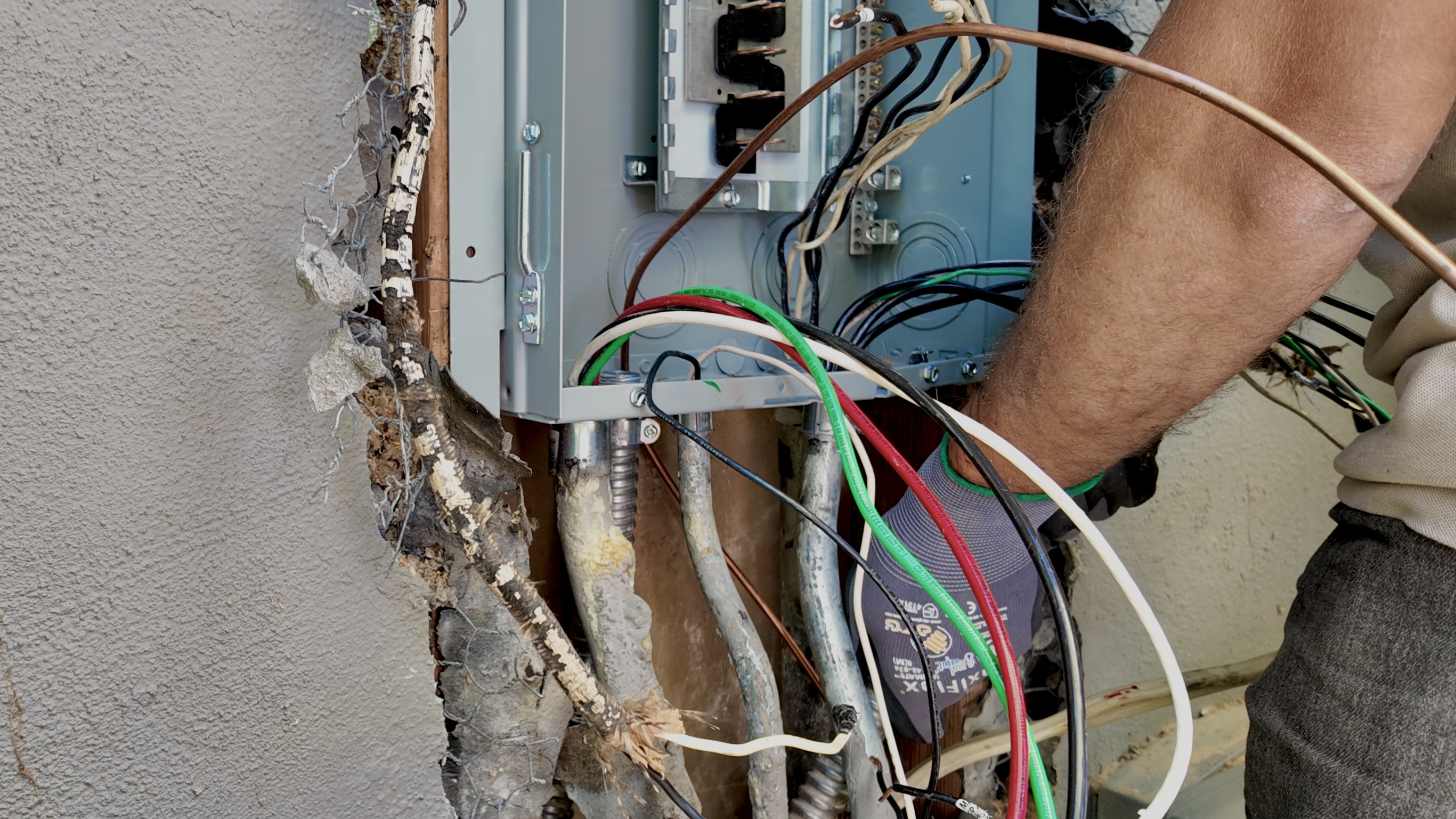
- Typically green or bare copper.
- A ground wire does not carry current constantly. It activates only when there is a fault. If there is, it provides a safety route.
Color Codes for Special Systems
3-Phase Wiring Color Codes
3-phase systems are common in commercial buildings and use these color designations:
- Phase 1: Black
- Phase 2: Red
- Phase 3: Blue
- Neutral: White
- Ground: Green/Bare
AC and HVAC Wire Colors
There are some exceptions from common rules. In air conditioning and heating systems, special AC wiring color codes apply that make installation and maintenance easier:
- Red: 24V power
- Yellow: Cooling
- Green: Fan
- White: Heating
Electrical Wire Color Code Charts and Diagrams
Charts make it easy to reference electrical wire color coding at a glance.
| System Type | Wire Color | Function |
| Single Phase | Black | Hot |
| White | Neutral | |
| Green/Bare | Ground | |
| 3-Phase | Red, Blue | Hot (Phases) |
| HVAC Systems | Red, Yellow, Green | Signal |
This small electrical wire color code chart can help you navigate the situation in case something is wrong.











Regional Variations and International Standards
House wiring colors in USA might be a little bit different. So take a brief look at wire colors across countries :
- UK: Brown (Live), Blue (Neutral), Green/Yellow (Earth)
- Europe: Similar to UK
- Canada: Similar to the US, but regional codes may apply.
Understanding these differences is critical when working internationally or with imported appliances. But for locals who need an electrician San Jose, we will be happy to help.
Common Mistakes and Misunderstandings About Wire Colors
- Assuming all black wires are live—always check with a voltage tester.
- Reversing neutral and ground—can lead to shock hazards.
- Misidentifying HVAC colors—always verify wiring diagrams.
Using incorrect electrical color codes for wires can be both dangerous and non-compliant with code. Learn more about electrical safety in our video.
When to Consult a Professional
Understanding wire colors is important, but it won’t deal with all electrical problems. When you face a poorly made installation or something like 3-phase AC wiring, don’t try to tackle it yourself. Our licensed electricians follow electrical wiring color codes to make your home a safe place for you. Call Fuse Service today at (408) 898-1576 or support@fuseservice.com to ensure your home wiring meets all current electrical standards.