 by
by 
You flip the switch and nothing happens? Your first thought is probably the worst-case one. But don’t be so worried: a light switch not working almost always traces back to one of three plain, boring causes: a dead bulb, a tripped breaker, or a worn-out switch mechanism. Every now and then, you run into a sneakier issue — like a wire that’s wiggled its way loose right behind the wall plate. If that’s what you’re dealing with, it’s the one time you really want to pump the brakes and take your sweet time.
| Symptom | Likely Cause | What to Check First |
| Switch clicks but light stays off | Burned-out bulb | Swap the bulb |
| No click, nothing happens | Tripped breaker or GFCI outlet | Check the panel |
| Switch feels loose or wiggly | Loose light switch | Tighten the wall plate |
| Light flickers, then dies | Loose connection | Reseat the bulb, check wiring |
| Breaker is on, light still dead | Faulty light switch or wiring fault | Test another fixture on the circuit |
First, Check If the Problem Is the Switch, Bulb, or Circuit
Maybe you’ve already flipped this thing four or five times hoping for a miracle swap, only to find yourself standing in the dark asking: why is my light switch not working? There are only three real suspects worth chasing down: the bulb, the switch, or whatever’s feeding the circuit behind them. Rule these out in order, and there’s a good chance you avoid paying someone to fix what a two-dollar bulb could’ve handled.
Try a New Bulb First
Feels like a dumb thing to check, sure. But a light switch won’t fail to turn on a light more often because of a burned-out bulb. It’s more likely than any wiring problem hiding behind it. LED bulbs have this habit of quitting cold, without the slow dimming warning you’d get from an old incandescent. Borrow a working bulb from another lamp in the house and try it in the fixture before you assume anything worse.
Check the Breaker and GFCI
Bulb didn’t fix it? Go look at the panel. A tripped breaker won’t sit flush in either direction. Shove it firmly to off first, then flip it back on. The panel looks fine, the breaker not tripped, and the light’s still dark? That rules out the easiest explanation and points you toward something inside the circuit itself. One more thing worth a glance: bathrooms, kitchens, garages, and outdoor circuits usually run through a GFCI outlet, and if that’s tripped somewhere upstream, it can take out a switch that’s otherwise in perfect shape.
Test Nearby Lights and Outlets
Walk over and flip on a lamp somewhere else in the house, or plug in a phone charger to an outlet on that same wall. Everything dead over there too? You’re probably chasing a circuit-wide issue, not one bad switch. But if that single fixture is the only thing acting up, the switch just became your prime suspect.
Common Reasons a Light Switch Stops Working
Ruled out the easy stuff and still stuck? What’s left usually falls into a short, predictable list of common light switch problems — the same handful of culprits that come up again and again once you’ve talked to enough electricians about why a light switch stopped working.
Worn-Out Switch Mechanism
Every switch has a lifespan measured in flips, somewhere in the tens of thousands, and that number does eventually run out. Over time, the metal contacts inside wear down. That’s why the switch stops making a solid electrical connection over time, even though it still clicks and feels completely normal when you flip it.
Loose Wiring Connections
Call it a loose light switch, but it’s a super common thing when the actual looseness is behind the plate. A wire nut or screw terminal works its way free from heat cycling, nearby vibration, or just plain age, and the switch stops getting a solid signal.
Faulty Dimmer Switch
A dimmer switch crams more parts into the same small box than a basic toggle does, and more parts means more that can eventually fail. Overheating, an LED bulb it was never designed for, or a worn-through dial can all send one into early retirement.
Overloaded Circuit
Load too many devices onto one circuit and the breaker keeps tripping no matter how many times you reset it. Once is nothing to worry about. But every single day is a sign you’re covering up a real overload instead of fixing it.
Failing GFCI Outlet
An older GFCI outlet can quietly stop sending power downstream. A small power surge can cause the same problem. That sometimes leaves a light switch dead, even when it doesn’t seem connected to the outlet at all.
Light Switch Not Working but Breaker Is Not Tripped
This is the scenario that trips people up the most: light switch not working but breaker is on, panel looks totally normal, and the switch still just sits there doing nothing. Once the breaker’s cleared as a suspect, what’s left is the switch itself or the wiring running into it. The National Fire Protection Association (NFPA) is clear that there is nowhere else for the problem to hide.
| What You Notice | Possible Cause | Safest Next Step |
| Switch is warm, breaker fine | Loose connection or worn-out switch | Turn off power, call an electrician |
| Switch works only sometimes | Worn internal contacts | Note the pattern, avoid forcing it |
| Buzzing sound from the switch | Arcing inside the device | Stop using it, schedule a repair |
| Other outlets on circuit also dead | Upstream loose connection | Check nearby outlets, then call for help |
Warning Signs You Should Not Ignore
Not every symptom belongs in a simple light switch troubleshooting checklist — some of them are your house telling you something’s actually wrong. The Electrical Safety Foundation International (ESFI) points to flickering lights, burning odors, discolored devices, and warm outlets as some of the clearest red flags for a wiring problem. Every one of those applies just as much to switches as to outlets.
The Switch Feels Hot or Warm
A warm switch is one thing, but a hot switch — the kind you can barely leave your fingers on — means current is running into resistance somewhere it shouldn’t be. That kind of heat can build quietly for weeks before anything looks obviously wrong.
The Switch Buzzes, Crackles, or Pops
A properly working switch makes exactly one sound: a click. Any buzzing, crackling, or popping almost always means electricity is jumping a gap instead of flowing through a solid connection. Every time that gap fires, it generates heat.
You Notice Sparks, Burning Smell, or Discoloration
Sparks, a burnt smell, or a switch plate gone yellow or brown are not weekend-project material. Cut the power at the panel right away and treat it as urgent. An electrical burning smell is one of the more reliable early warnings of a fire hazard. The National Fire Protection Association has raised this point repeatedly in its safety guidance.
What Homeowners Can Safely Check
There’s a real line between what you can handle yourself and what’s better left alone, and it’s worth knowing exactly where that line falls before you grab a screwdriver.
Safe to Do Yourself
- Swap in a bulb you already know works
- Reset a breaker or GFCI outlet a single time
- Snug up a visibly loose wall plate with the power off
- Try a different bulb brand in the same fixture
Better Left to a Professional
- Pulling the switch out to look at the wiring behind it
- Anything at all involving a warm or hot switch
- A breaker that keeps tripping on the same circuit
- Any hint of arcing, sparking, or a burning smell
| Task | Safe for Homeowners? | Notes |
| Swap a bulb | Yes | Ladder’s the only tool you’ll need |
| Reset breaker once | Yes | Call an electrician if it trips again |
| Open switch and inspect wires | No | Requires shutting off power correctly |
| Replace a faulty switch | No, unless experienced | Miswiring is a fire hazard |
When to Call an Electrician for a Light Switch Not Working
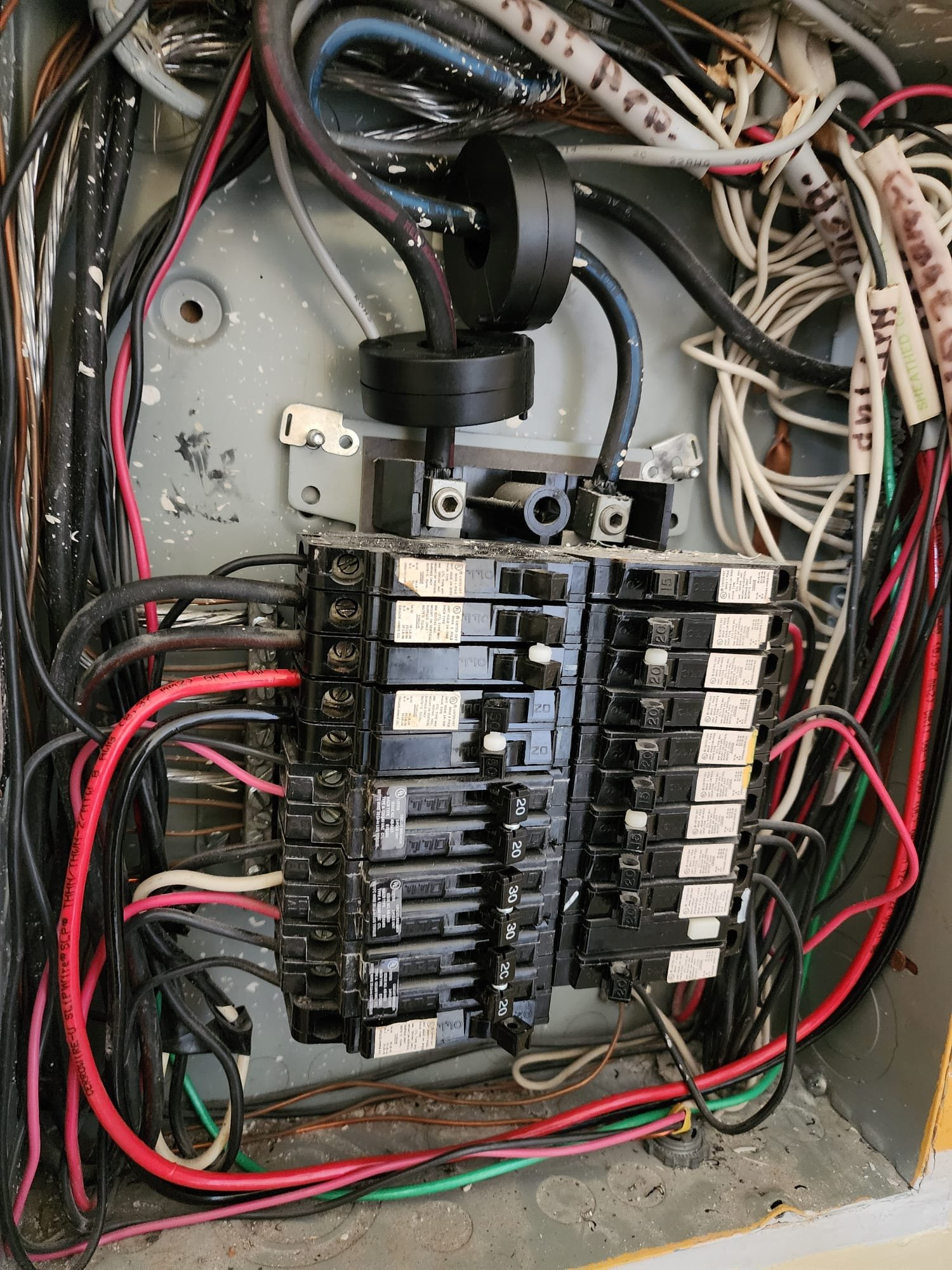
Swapped the bulb, reset the breaker, and still nothing? That’s the point to stop guessing and bring someone in. Any warmth, buzzing, or burning smell should skip the DIY steps entirely and go straight to a phone call, no exceptions.
A licensed electrician in San Jose can figure out fast why the light switch stopped working. When the inspection turns up damaged wiring, electrical wiring repair tends to be quicker and a lot safer than trying to patch around whatever’s wrong. And if the problem turns out to be bigger than a single switch, a full electrical repair in San Jose visit can catch other electrical issues lurking nearby before they become their own emergency.
“Most people wait way too long on a switch that buzzes or feels warm — they figure it’ll work itself out. But in practice, that’s usually the first real warning we get before something bigger fails. Catching it there costs a lot less than dealing with a wiring fire later on.” — Alex, a Fuse Service electrician.
How to Prevent Light Switch Problems in the Future
A little routine attention goes further than most people expect toward avoiding this whole headache twice.
Watch for Early Signs
A flicker here, a slight delay there, or a switch that needs a second flip now and then — these are the tells worth paying attention to before they turn into a total failure.
Avoid Overloading Circuits
Spread space heaters, window units, and other power-hungry devices across separate circuits instead of stacking them all onto one and hoping for the best.
Schedule Regular Inspections
Getting some regular electrical preventive maintenance done is the easiest way to catch sneaky loose wires and tired old hardware before they actually get dangerous. This is a must-life-saver if your place is pushing 15 or 20 years old and still running on its original parts.
Upgrade Aging Switches and Dimmers
Original switches in an older home are usually cheaper to replace ahead of time than to deal with once one fails at an inconvenient moment.