 by
by 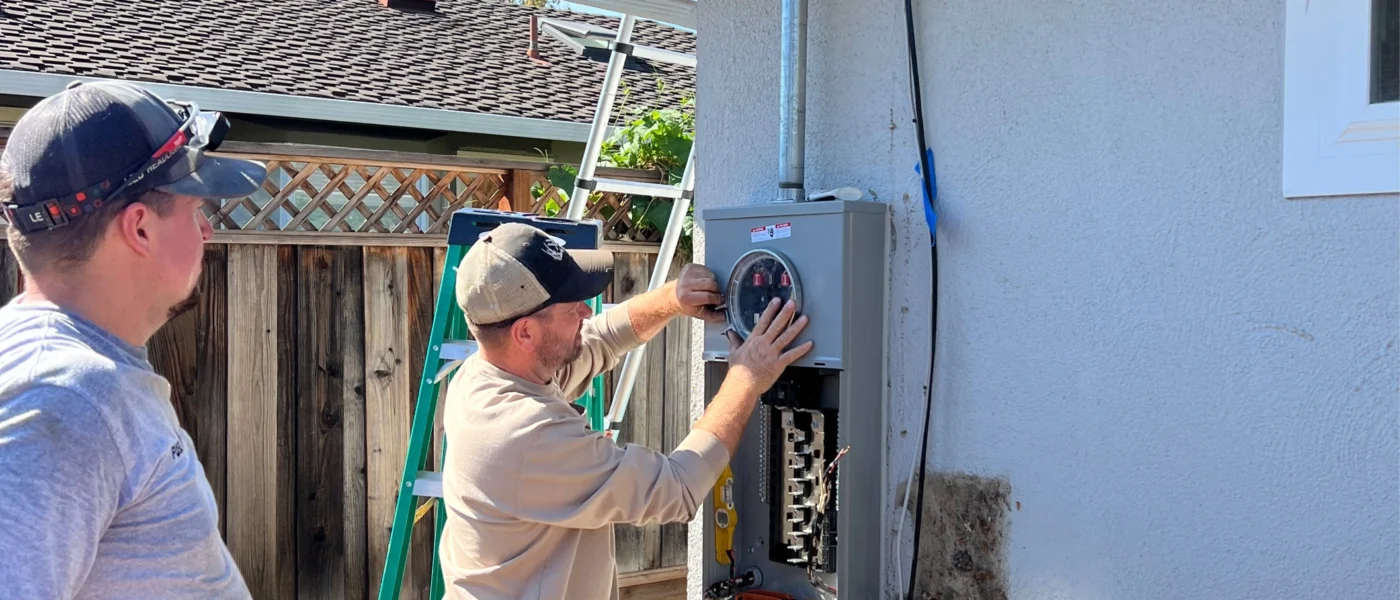
Your home, for sure, uses both 120V and 240V. Most outlets in your house are 120V — they power lamps, your phone charger, the microwave. The 240V outlets are for bigger appliances like your dryer or an EV charger. The 120 vs 240 volt outlet thing boils down to one question — does the device really consume that much power?
| What’s Different | 120V | 240V |
| Hot wires | 1 | 2 |
| Breaker size | 15-20 amps | 20-50 amps |
| Powers | Lights, gadgets, small stuff | Dryers, ovens, water heaters, EV chargers |
| Plug type | NEMA 5-15, 5-20 | NEMA 6-20, 14-30, 14-50 |
What Differs Between a 120V and 240V Outlet?
Start with voltage. One hot wire plus neutral gets you 120V. Two hot wires together get you 240V. It’s really that straightforward.
The difference between 120v and 240v goes beyond just the numbers. Look at the wiring — 240V demands thicker copper wire. The breaker has to handle more power. That’s why it’s a two-pole instead of a single-pole. So, the 120V vs 240V wiring setup looks completely different, and here’s a reason why a dryer outlet and a wall outlet look like they belong to two completely different universes.
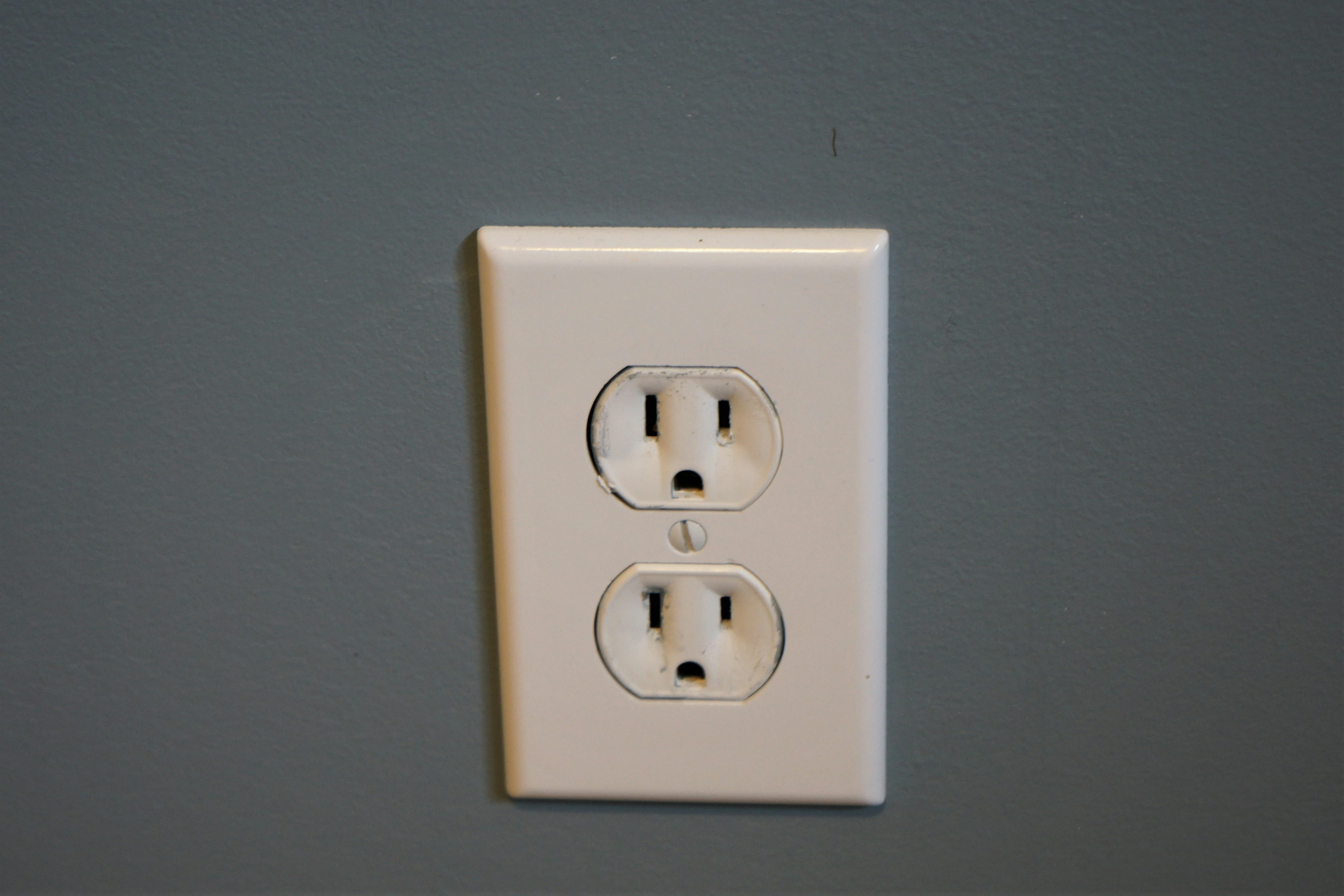
Here’s the thing about voltage. It’s what the outlet can actually deliver safely. Plug a lamp into 120V, and everything will be fine. But is it a good idea to plug a 30-amp dryer into it? The wire gets hot, and fast. Don’t do that to avoid a fire.
How Your Home Provides Both 120V and 240V
Power comes into your house as 240V. The panel then splits it. Some circuits run at full 240V for the big stuff. The rest get stepped down to 120V for everything else.
How a 120V Circuit Works
One hot wire, one neutral, one ground. Electricity heads out the hot wire, does its job in whatever’s plugged in, then comes back through the neutral. That handles most of your house. Most breakers are 15 or 20 amps because that’s all those circuits ever need.
How a 240V Circuit Works
Imagine two hot 120V wires that aren’t synced with each other. Together they make 240V. Some appliances also want a neutral thrown in there if they’ve got a light or some electronics that still need 120V. Some just want the two hots and ground — depends what’s plugged in.
Have a circuit panel that’s already packed with circuit breakers and want to add a 240-volt circuit? Might be high time to consider San Jose electrical panel upgrades. Putting anything else to a panel that’s already on its limits doesn’t seem like the top idea.
How to Understand if an Outlet Is 120V or 240V
There are just three easy ways to check what the appliance actually wants.
Check the Receptacle Shape
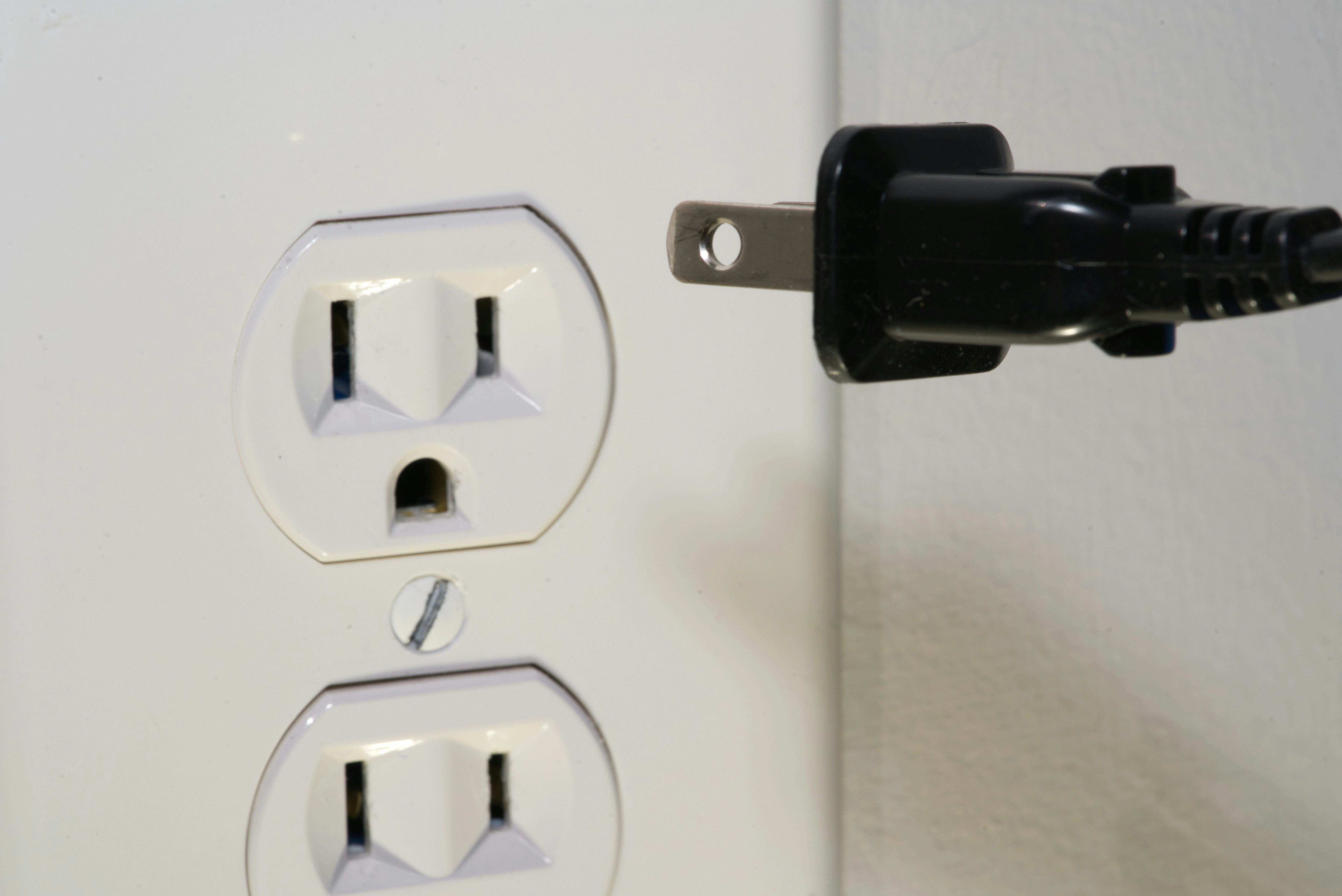
A 120 volt vs 240 volt outlet won’t even fit if you get it wrong — that’s by design. NEMA standards basically mean each outlet shape is different so you can’t accidentally plug something into the wrong one.
| NEMA | Volts | What you plug in |
| NEMA 5-15 | 120V | Normal house outlets |
| NEMA 5-20 | 120V | Kitchen, garage |
| NEMA 6-20 | 240V | Window ACs, heavy tools |
| NEMA 14-30 | 240V | Dryers |
| NEMA 14-50 | 240V | Ranges, EV chargers |
Need more details on what a 120 vs 240 volt outlet difference looks like? Check our electrical outlet types guide.
Check the Breaker
A single-pole circuit breaker takes up one outlet. That’s how it gives you 120V. A double-pole one takes twice the space. And if you connect both poles, you get 240V. So now you know the 120v vs 240v outlet difference!
Read the Appliance Nameplate
Every appliance has a label somewhere — find it and read what voltage it says. That’s it. Don’t guess because it takes thirty seconds and saves headaches.
When an Electrician Should Test the Circuit
Older houses get messy. Previous owners wire things weird. Panels don’t actually have labels. Not 100% sure what a circuit is or it’s feeding something you can’t see? It’s better not to do something yourself. Call a licensed electrical contractor in San Jose. That’s the best way to test it with a meter and get a straight answer.
Which Devices Plug Into 120V and 240V Outlets?
When comparing 120v outlet vs 240v, it comes down to power needs. Anything small and quick runs 120V, like lamps, phone chargers, your refrigerator… Absolutely any device that heats a lot, cools a lot, or spins a big motor — that’s 240V territory.
| Device | What it needs |
| Lamps, phone chargers, TV | 120V |
| Fridge | 120V |
| Microwave | 120V |
| Window AC unit | 120V or 240V (depends) |
| Electric dryer | 240V |
| Electric stove | 240V |
| Water heater | 240V |
| EV charger (Level 2) | 240V |
Is a 240V Outlet More Efficient?
Yes, it is. Which one is a real winner in the 120v vs 240v outlet fight for a high-consuming EV charger? Of course, 240V is the best here. It’s about higher voltage and lower current meaning less heat wasted in the wire. The U.S. Department of Energy confirms that Level 2 EV chargers on 240V charge way faster than a 120V outlet.
So what are the advantages of 240v vs 120v? Dryers finish faster. EVs charge faster. The only conclusion here is that 240V is more efficient than 120V. But it’s not that 120V is bad at what it does — 120V just can’t handle heavy loads without the whole system suffering.
120V vs. 240V Safety
Both are safe if everything’s right. Wire matches the load. Breaker is the right size. Outlet isn’t worn out. When something in that chain is wrong — undersized wire, wrong breaker, frayed outlet — that’s when you get problems.
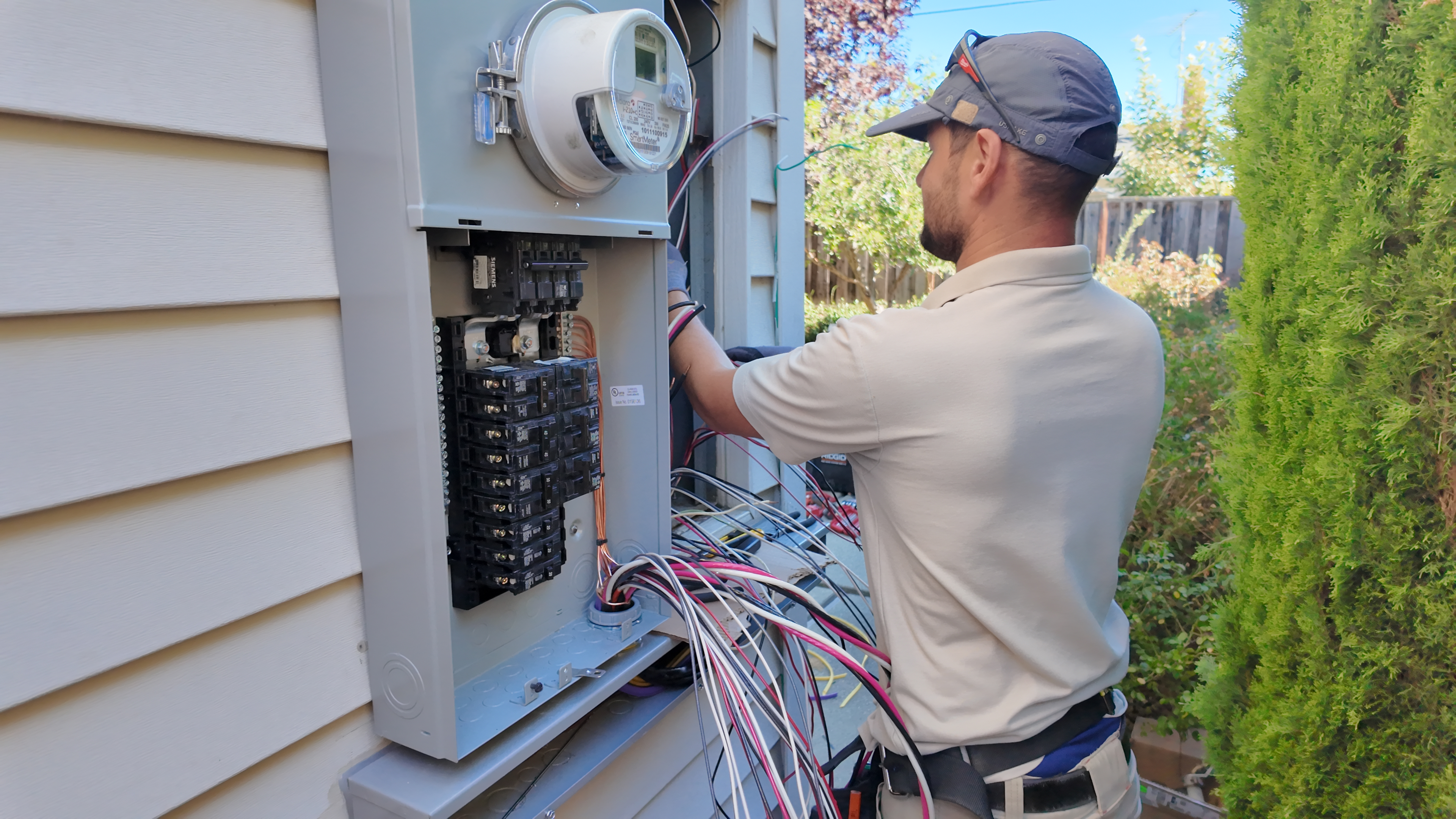
The Electrical Safety Foundation International (ESFI) will tell you higher voltage means more danger if installation somehow goes wrong. A fault on 240V is worse than a fault on 120V. That’s not opinion, it’s physics. Which is exactly why 240V wiring isn’t a weekend DIY project. Breaker keeps tripping? Outlet is warm to the touch? Don’t keep flipping it back on and hoping. Call for circuit breaker replacement before you have a real problem.
Can You Plug a 120V Appliance Into a 240V Outlet?
Don’t do it. Double the voltage means the appliance fries right away or catches fire. This is exactly why NEMA makes every plug a different shape — so you literally can’t jam a 120V plug into a 240V outlet.
Can a 120V Outlet Be Converted to 240V?
Sometimes. But here’s the catch — it’s usually not just swapping the plug. You might need new wire pulled to that location, a two-pole breaker instead of a one, and space in the panel.
“Three things stop most conversions. First — what wire is already in the wall? Is it thick enough for 240V? Second — does the panel actually have room and capacity? Third — does the NEC locally require a dedicated circuit, or can you pull from something else? Miss any one of those and you end up with outlets that get too warm or breakers that won’t stay on.” — Alex, an electrician at the Fuse Service team.
If the wire already there isn’t good enough, you’re looking at electrical wiring repair or replacement before you touch the outlet.
When Does Installing a 240V Outlet Make Sense?
You need 240V if you’re adding something that didn’t exist before. EV charger in the garage. Hot tub. A second oven. Workshop machinery. Or you’re swapping a gas stove for electric — that’s 240V only.
Think about these things first:
- Panel full already, or is there breathing room?
- How far is it from the panel to where you want the outlet? Close is cheaper, while far means an expensive wire run.
- What does the appliance nameplate actually ask for? Some want two hots only. Some want a neutral too.
- Planning a bigger renovation anyway? It might make sense to think about the whole picture and the cost to rewire a house at once.