 by
by 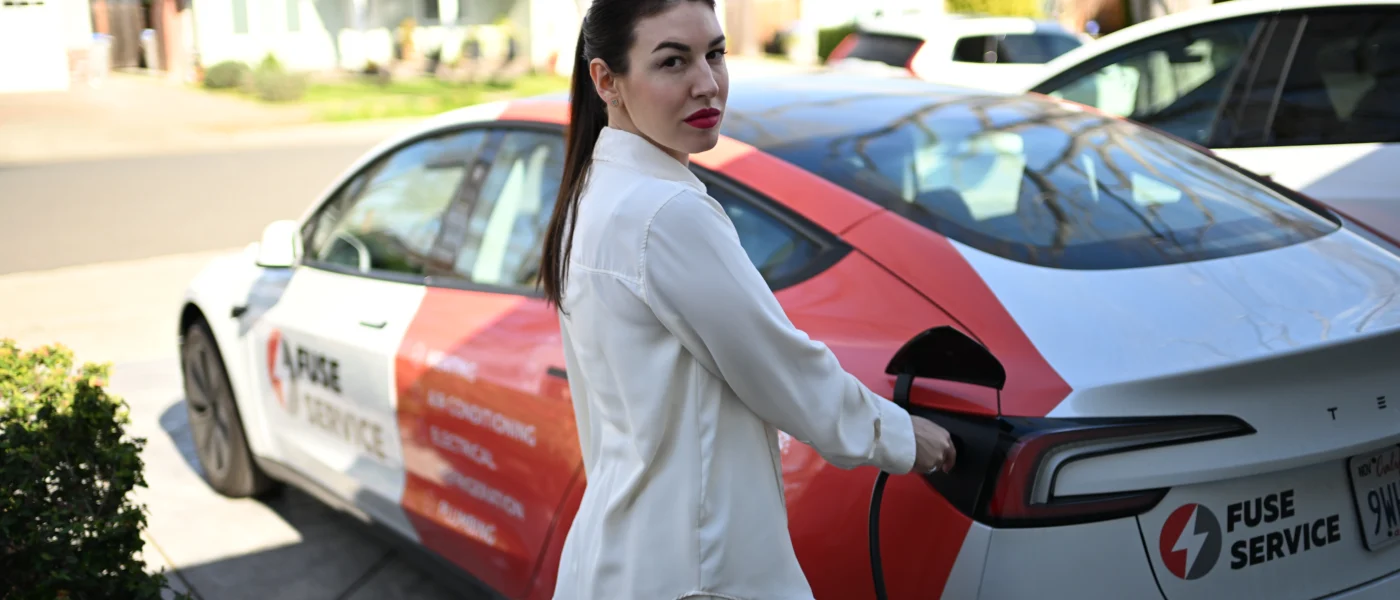
California is making it easier for more residents to switch to electric vehicles. Starting this month, if you’re buying your first electric vehicle, you’ll get a $3,500 rebate applied right there at the dealership. Yes, this means no applications, no waiting, and no red tape. Buy a used EV, and you’ll get $1,750 off. The program is called MyFirstEV, and it’s not just a one-time promotion: the state has invested $135.5 million, automakers have matched that amount, and together they’ve created more than $270 million in real savings for California families.
Hyundai, Lucid, and Tesla are already offering the discount. In August, Ford, Rivian, Chevrolet, and Kia will join the program. In September, Toyota, Lexus, Honda, and Subaru will follow. By November, Mitsubishi will join the list. Basically, in just a few months almost the entire market will be part of the program.
That sounds great, right? But here’s the catch: the discount applies only to the purchase of the car. After that, it’s a whole different story — where and how you’ll charge it every day.
Savings That End at the Parking Lot
Imagine this: you’ve just saved several thousand dollars on the car itself. It would be logical to expect that you’d continue to save on fuel — after all, that’s exactly what an electric vehicle promises. But if you charge only at public stations, a significant portion of those savings quietly slips away.
Public charging isn’t just about paying a higher price per kilowatt-hour than at home. You also lose time driving around to find available stations, waiting in line, and simply standing by while your car charges instead of doing something productive. Home charging solves all of this in one fell swoop: plug it in at night, and in the morning you’ll have a full “tank” of electrons.
That’s exactly why the logical next step in the rebate story isn’t just buying a car but buying a car plus installing a convenient home charging station.
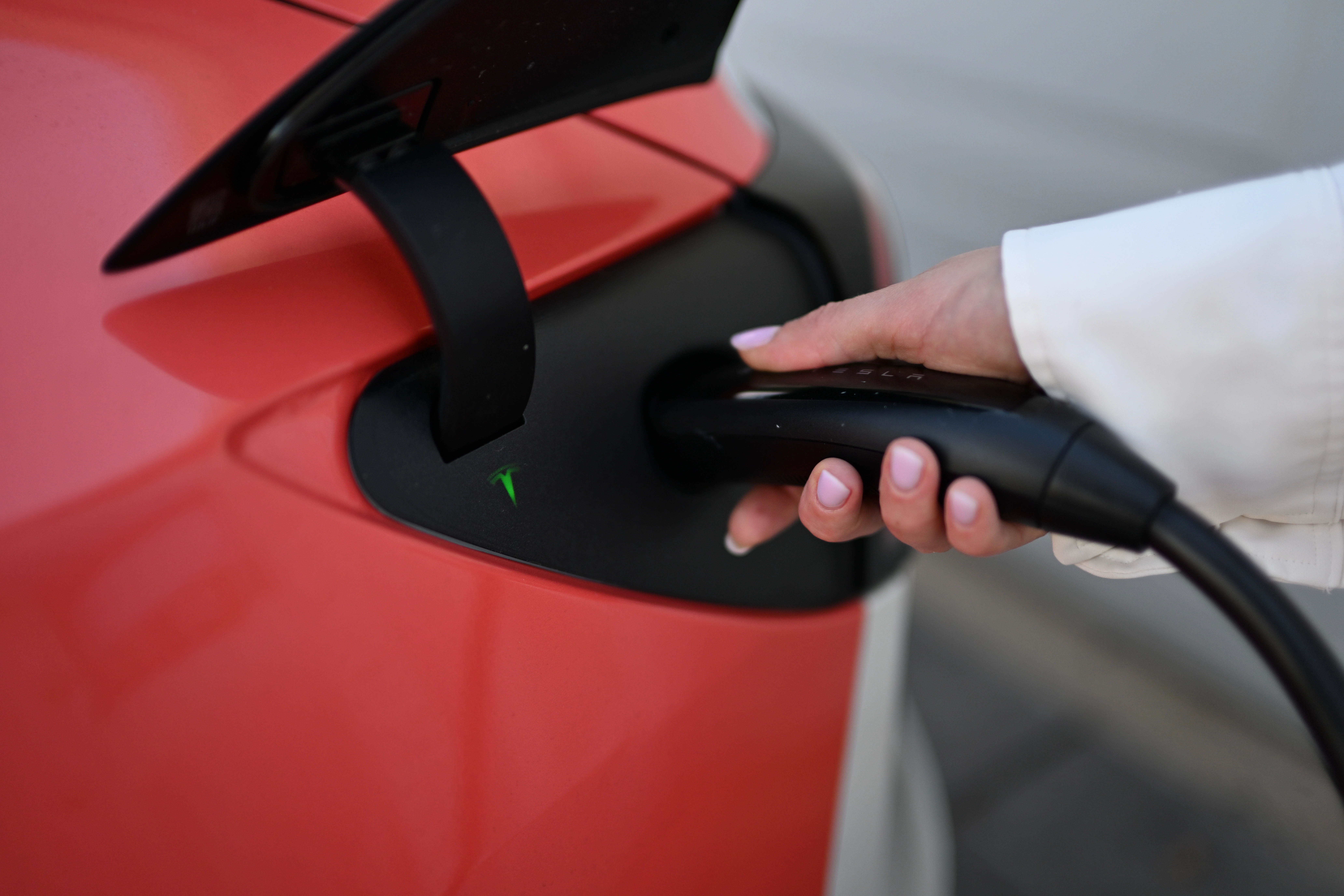
Why Home Charging Isn’t a Luxury, but a Smart Choice
Here are a few simple points to consider before deciding whether you actually need a home charger:
Plus, the MyFirstEV program is part of a broader California strategy. The state has already expanded its battery storage capacity to a record 21,000+ megawatts. This is the first time in history that solar power has surpassed natural gas’s share of the total electricity fed into the grid. Or, to put it simply, the more vehicle owners charging their cars at home at the optimal hours, the more efficient the entire network becomes. This means you gain access to cheaper and cleaner energy precisely when the grid is ready to supply it.
What’s Next
If you’ve already taken advantage of the rebate — or plan to do so in the coming months — it makes sense to think about the other half of the equation right away. Installing a home charging station is a one-time investment that pays for itself every day by saving you the hassle of searching for an available public charger.
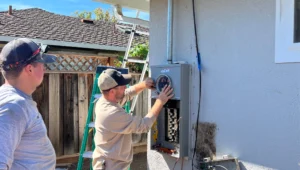
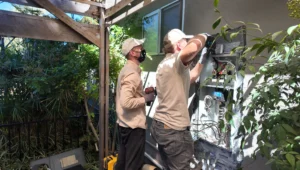
At Fuse Service, that’s exactly what we do: we come to your home, assess your electrical panel, select a charging station tailored to your car and lifestyle, and install everything neatly and up to code. All you have to do is plug in the cable and forget about public chargers. And keep saving even more money, of course.
You can get a rebate that covers part of the car’s cost. But it makes sense that the next step should be something that covers your savings for years to come.
Ready to Install an EV Charger at Home?
Make EV charging super convenient with a professionally installed home charging station. Learn more about EV charger installation and get started with Fuse Service.