 by
by 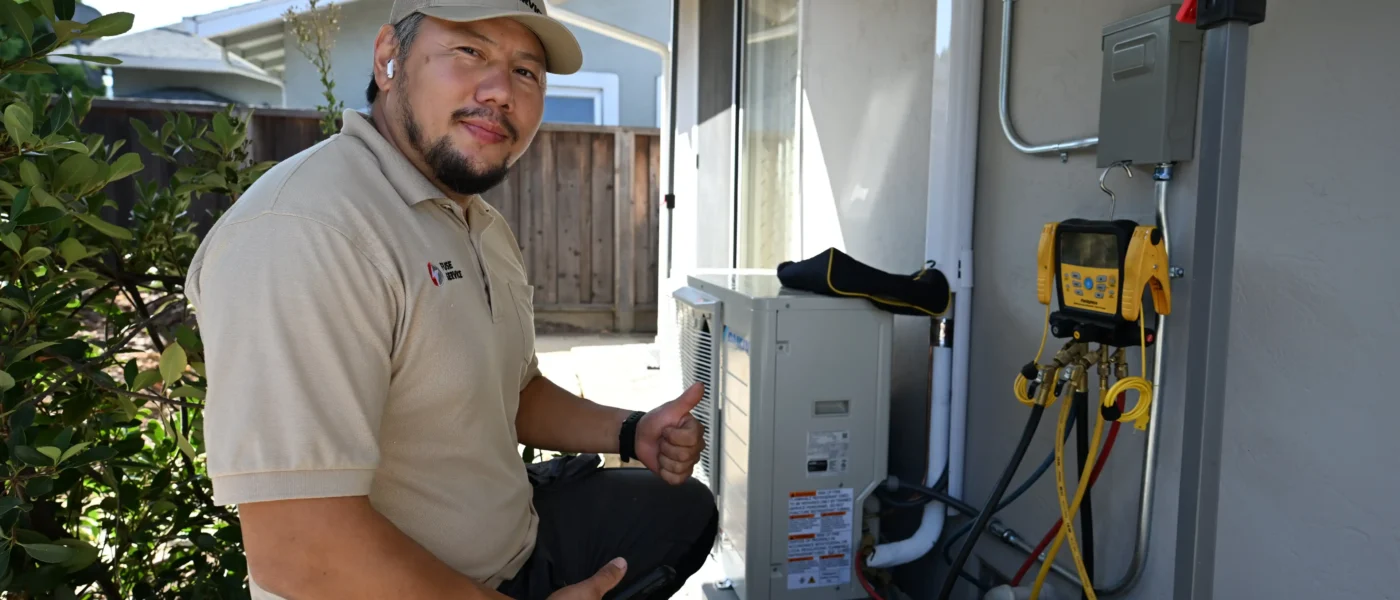
Hear a whistling sound from AC? Something’s probably blocking the airflow — a dirty filter, a duct leak, low refrigerant pressure. Whatever it is, your system is telling you it’s working harder than it should. So don’t just wonder “why is my AC whistling?” — check the table below. It’ll tell you where the noise is coming from and how urgent the fix really is.
| Noise and place | Potential reason | What to do | Emergency |
| Whistling from the return grille | Dirty filter, return vent too small | Replace the filter and check the size of the vent | Low/medium |
| Whistling from the air intake grille | Partially closed damper, high system pressure | Open the damper all the way | Low |
| Whistling from the air handler | Loose panel, problem with the blower wheel | Check the panel for cracks | Medium |
| Whistling from the outdoor unit | Refrigerant leak, compressor malfunction | Do not open the unit yourself, call a professional | High |
| Hissing near the refrigerant line | Refrigerant leak, damaged valve | Call a technician | High |
Why is My AC Making a Whistling Noise
Air conditioner whistling almost always comes down to one thing: air trying to squeeze through a space too tight for it. Somewhere along the way, something’s blocking it — dirt, a stuck damper, a crack in the duct — and we have a high air velocity because the flow just has to get past. So, it’s this accelerated flow that causes the whistling.
In the HVAC industry, this is called a static pressure problem. The higher the static pressure in the system, the louder the air conditioner whistling. This sound itself usually doesn’t go away on its own over time.
And that’s where the mistake lies. The first thing everyone blames is the filter. It’s the most obvious culprit. But the cause often lies deeper: in the size of the air ducts, the condition of the blower motor, or sometimes even in the refrigerant circuit. That’s why a new filter doesn’t always help. The noise may become quieter, but it won’t disappear completely.
Figuring out exactly what’s blocking the airflow is worth it for more than just peace and quiet. When a system is overloaded, it needs more electricity. So repair will also save you a lot of money on your monthly bills.
7 Common Reasons Your AC Is Making a Whistling Noise
1. A Dirty or Clogged Air Filter
A clogged air filter is the most common reason for AC making a whistling noise. Dust, pet hair, and fabric fibers gradually clog the filter’s mesh, and the air has to literally squeeze through the remaining gaps. It’s easy to check this yourself: remove the filter and look through it at a light source. If you can barely see the light, it’s time to replace the filter without delay.
The standard recommendation is every 60–90 days, but during the season when the system runs almost nonstop, it’s best to check more often — about once a month. There’s one detail that’s often overlooked. If the whistling remains just as loud after installing a new filter, the problem is most likely not with the filter — you should check the other items on this list.
2. Closed or Blocked Supply and Return Vents
When some of the vents in the house are closed or blocked by furniture, the entire volume of air is forced to pass through the vents that remain open. The airflow velocity at these points increases significantly, and that’s where this special whistling sound occurs.
It’s worth going through all the rooms and checking every supply vent, supply register and return grille — ideally, they should be fully open, and certainly no less than halfway open. Sofas, rugs, curtains, and boxes against the walls often block the vents, even though homeowners don’t even realize it.
A small detail: closing the grilles in unused rooms to save energy is a common mistake. The system is usually designed for a specific total air volume, and a sudden reduction in that volume creates precisely the excess airflow that causes the whistling.
3. Leaky Air Ducts
Ever seen a balloon with a pinhole? Same idea here — air forcing its way out through a gap that has no business being there. Duct leaks like to hide at joints, at bends, anywhere the ductwork cuts through an attic, a basement, a garage. Spotting one, though? That’s the hard part. They’re almost always tucked behind a wall, ceiling, or layer of insulation, so a visual check rarely cuts it.
If you suspect this is the case, an air duct inspection can help — a specialist will locate the exact source of the leak using a smoke test or a pressure gauge. In addition to noise, leaks in air ducts directly affect your electricity bills. As noted by the U.S. Department of Energy, a significant portion of the conditioned air in an average home is lost precisely because of leaky air ducts.
4. An Undersized Return Vent or Ductwork
Sometimes there’s no malfunction at all — it’s just how the system was built. If the ductwork or return vent was sized for a smaller AC than what’s running now, the air’s got nowhere to go but through that same tight squeeze. So it flows through a cross-section that’s too narrow at an elevated speed. This situation is particularly common in homes where the air conditioning system was upgraded to a more powerful unit, but the ductwork wasn’t recalculated to accommodate it.
The difference in capacity may seem small on paper, but in practice, it has a noticeable impact on the noise level and overall efficiency of the entire system. In such cases, a proper HVAC ductwork installation designed specifically for the current capacity of the equipment can help.
5. A Loose Panel or Air Handler Gap
The indoor unit of an air conditioner, which is called the air handler, is assembled from panels secured with screws or latches. Over time, the fasteners loosen. It happens because of vibration and temperature fluctuations. This causes a small gap to appear at the joints. Pressurized air passes through this gap and produces a faint, almost mosquito-like whistling sound that is easily mistaken for noise coming from the vent.
It’s quite simple to check: place your palm against the edges of the panels while the system is running. Feel air moving somewhere it shouldn’t? That’s your culprit. Sometimes tightening a few screws does the trick. But if the panel’s warped or the seal’s worn through, it needs replacing — and that’s a job for a pro, not a DIY project.
6. Blower Motor or Blower Wheel Problems
The blower wheel is a fan that circulates air throughout the duct system. If dust has accumulated on its blades or one of the segments is slightly bent, the airflow becomes uneven. This can result in a whistling or intermittent humming sound.
Sometimes the problem is more serious than just dirt—the motor bearing is wearing out. In this case, the sound is usually accompanied by slight vibration of the housing or a noticeably reduced airflow from the vents. In this situation, you’ll need a technician. The blower motor is one of the few system components you shouldn’t attempt to disassemble on your own: improper reassembly can permanently damage the motor.
7. Refrigerant or Pressure Problems
This is perhaps the most serious of all possible causes. A refrigerant leak or a malfunctioning expansion valve can cause a hissing or whistling sound near the outdoor unit or along the refrigerant line. Low refrigerant can also cause the evaporator coil to ice over, and that ice restricts airflow just like a dirty filter would — which only makes the whistling worse.
A refrigerant leak is not only a source of noise but also a risk to the efficiency of the entire system. In some cases, it can even pose a risk to the environment. According to the EPA, refrigerant leaks must be repaired by a qualified expert since certain types of refrigerants can harm the atmosphere. Such cases require professional AC repair. You should not open the outdoor unit yourself or attempt to add refrigerant. Doing so is not only unsafe but also requires special equipment and certification in most states.
Where Is the Whistling Sound Coming From
The location from which the whistling sound is coming often provides a good clue as to the likely cause. It’s worth listening carefully. The difference between the sound coming from a return vent, a supply vent, and the unit itself is usually quite distinguishable by ear if you know what to look for.
Whistling From the Return Vent
The whistling sound from the AC indoor unit is coming specifically from the return air grille? In most cases, the problem is either the filter or the grille itself being too small for the system’s capacity. This is usually the least serious and easiest to fix of all the causes on this list.
Whistling From a Supply Vent
Wind noise coming from the supply air grille is often caused by a partially closed damper inside the duct. It’s worth checking the damper right on the grille. Perhaps someone accidentally closed it while cleaning or doing repairs.
Whistling From the Indoor AC Unit
This one’s worth taking seriously. If the noise is coming from outside, you could be looking at a refrigerant pressure issue or a compressor on its way out. Don’t sit on this. Get someone out to look at it soon.
Whistling From the Outdoor AC Unit
This one’s the red flag. A whistle from the outdoor unit could point to refrigerant pressure trouble or a compressor on its way out. In this case, call a technician as soon as possible.
How to Stop Your AC From Whistling
Start With the Filter
Replace the filter, even if it looks relatively clean on the outside. Sometimes it is the inner layer that becomes the most clogged. And the worst part is that this layer cannot be seen from the outside. So the answer to the question “Why is my AC whistling?” may hide here.
Open All Vents Throughout the House
Walk through the house and check every supply and return vent. Are they actually open? Anything blocking them, like a couch, a rug, or heavy curtains, can choke off airflow without you noticing.
Check Panels and Access Doors
Take a look at the air handler panels. Any gaps? Grab a screwdriver and snug up loose screws while you’re at it.
Listen for the Exact Location
Walk around the house. Where is your AC making a whistling noise? Find it out. This will help you narrow down the list of possible causes before calling a tech.
Call a Professional for Ductwork or Refrigerant Issues
Tried everything above and the whistle’s still there? At that point you’re probably dealing with something in the ductwork or the refrigerant circuit — not a DIY fix. Time to get a technician out for a proper look.
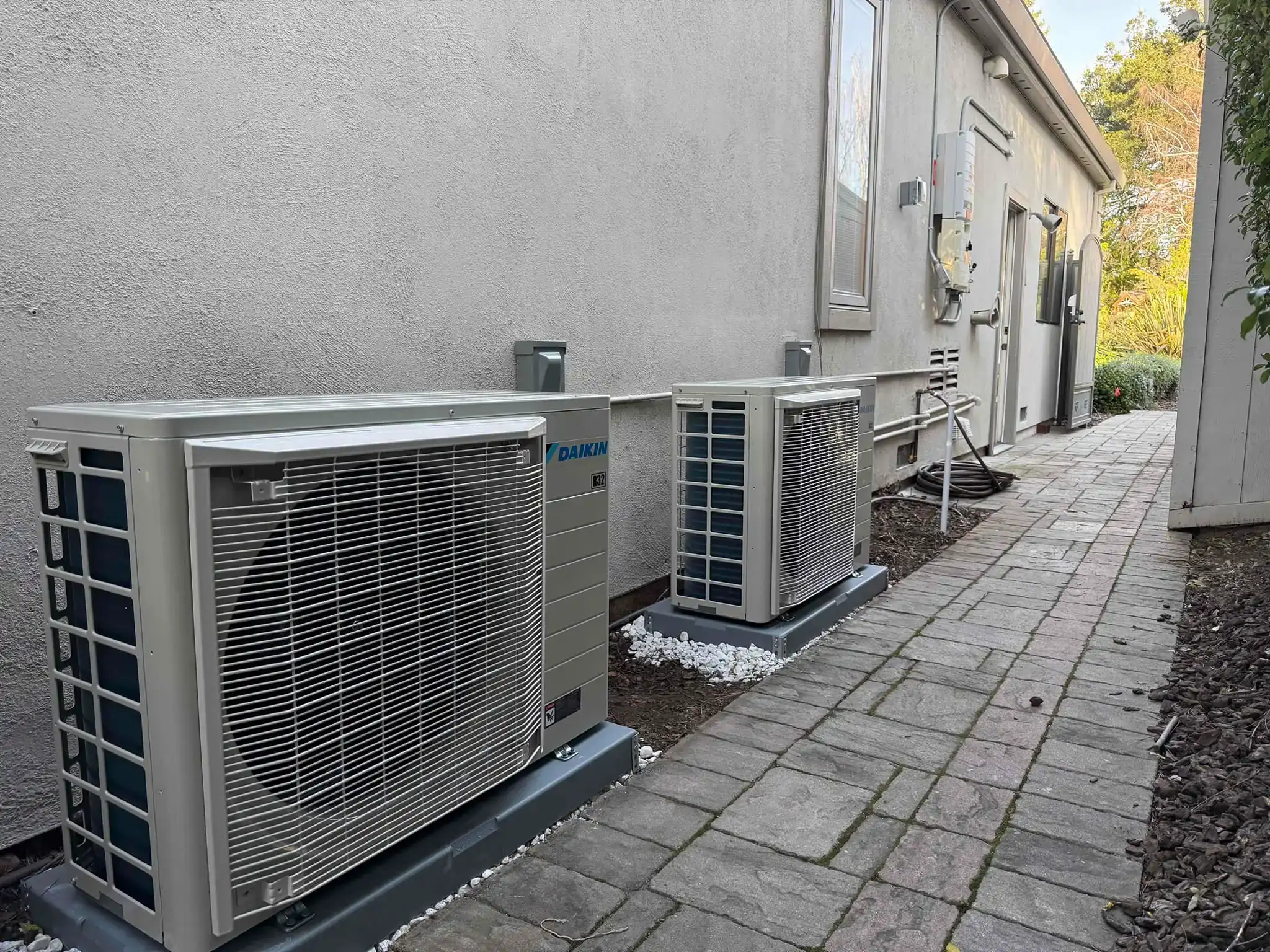
AC Whistling vs. Hissing vs. Screeching: What’s the Difference
Not all AC whistling noises mean the same thing. Learning to tell a whistle from a hiss from a screech can save you a diagnostic call — or tell you to make one right away.
There’s a cost to ignoring this too. Every extra day your system runs with restricted airflow, it’s putting more strain on the compressor and blower motor. That wear adds up, and fixing or replacing those parts down the road costs a lot more than catching the problem early.
| Noise | Typical explanation | Emergency level |
| Whistle | Restricted airflow, dirty filter, blocked vents | Low/medium |
| Hiss | Refrigerant leak, damaged valve | High |
| Screech | Worn engine bearing or drive belt | Medium/high |
Can You Keep Running an AC That Is Whistling
For a short time — yes, nothing critical will happen. If the cause is a dirty filter or a partially blocked grille, a couple of days of operation won’t do any harm.
It’s a completely different matter if the noise is caused by a refrigerant leak or a problem with the blower motor. Continuing to run the system in this situation means risking a more serious and costly breakdown, while also paying more for electricity. According to ENERGY STAR, a system with restricted airflow consumes significantly more energy to maintain the set temperature in the home.
Here’s the thing nobody thinks about: airflow that’s been restricted for months keeps beating on the compressor and blower motor the whole time. Eventually something gives, and replacing those parts costs a lot more than a checkup would’ve.
When Does a Whistling AC Need Professional Repair
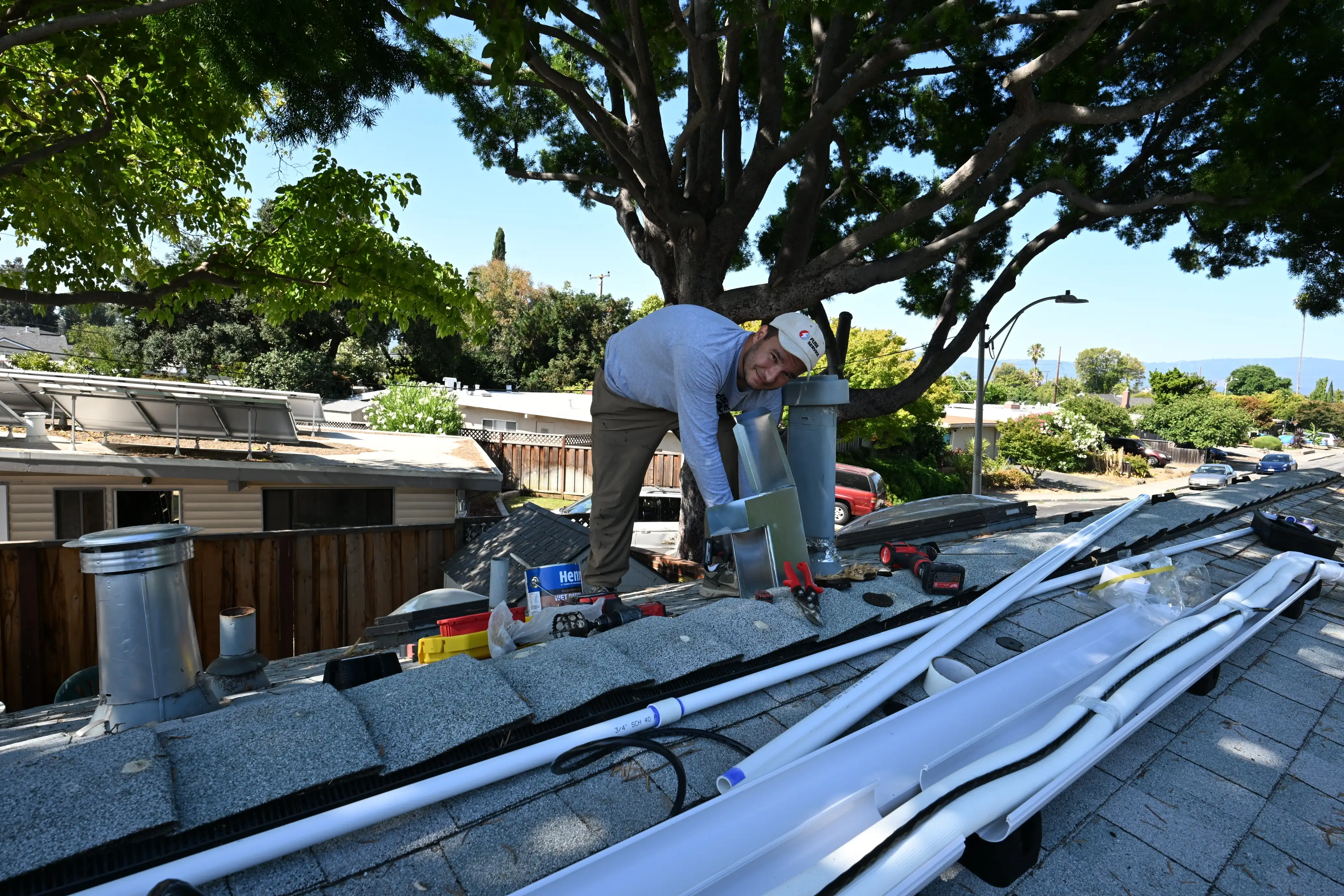
Filter’s clean, vents are open, and the whistle is still there? Call someone. The same goes if the noise is coming from outside, or if it’s showing up alongside weaker cooling, a spike in your electric bill, or a smell you can’t quite place.
A Fuse Service technician, Alex, shared this insight: “People often ask, why is my air conditioner whistling? They think it’s just the filter, but a constant whistling sound is almost always related to increased static pressure in the system. Replacing the filter eliminates the symptom but doesn’t address the root cause if the problem is actually with the size of the air ducts or a malfunction in the unit.”
Regular system inspections help identify such problems long before they turn into major repairs. The HVAC maintenance checklist can help with this. It’s a good idea to keep it handy throughout the entire season when the air conditioner is in active use.
Systems past the five-to-seven-year mark need this kind of check more, not less. Parts wear down, and little issues stack up faster than they would in something newer.